
Owning a catamaran represents freedom, stability, comfort, and long-range cruising capability. But beyond the dream lies a financial reality that every serious buyer must understand.
At Windward Yachts, we believe transparency builds trust. Whether you are considering your first multihull or upgrading to a larger cruising platform, understanding the true cost of ownership is essential before making a strategic investment.
This guide outlines not just the purchase price, but the ongoing and long-term financial commitments such as maintenance, docking or insurance that come with catamaran ownership.
For more details about boat ownership, read our article on the cost of owning a yacht.
Catamaran Purchase Price: What You Should Really Expect to Pay
The acquisition cost of a catamaran varies significantly depending on size, brand, age, and level of equipment.
New Catamarans
Modern production catamarans from leading shipyards such as Lagoon or Fountaine Pajot Catamarans typically start around:
- 40–44 ft models: $400,000 – $650,000
- 45–50 ft models: $700,000 – $1,000,000+
Base prices rarely reflect the final delivered cost. Options, electronics packages, upgraded sails, energy systems, and comfort equipment can significantly increase the final figure.
Read also: Lagoon 82 Catamaran – The New Flagship of Luxury Sailing
Pre-Owned Catamarans
The second-hand market offers opportunities ranging from:
- $200,000 for older models (typically 38’–40’ catamarans)
- $350,000 – $800,000 for well-maintained cruising catamarans (generally 40’–50’)
- Over $1,000,000 for late-model and large premium multihulls (approximately 55’–80’)
A professional survey and technical inspection are critical before any purchase decision.
Initial Costs After Purchasing a Catamaran: The Often Overlooked Expenses
The purchase agreement is only the beginning. New owners frequently underestimate these immediate additional costs:
Delivery and Commissioning
- Shipping or delivery captain fees
- Commissioning and system checks
- Safety equipment upgrades
- Spare parts inventory
These expenses can represent 5% to 15% of the vessel’s value, depending of the distance, the location…
Taxes and Registration
Depending on jurisdiction:
- VAT or import duties
- State or flag registration fees
- Local cruising permits
These can materially impact the total investment and should be evaluated early in the planning process.
Annual Fixed Costs of Catamaran Ownership
A realistic financial plan must include recurring annual expenses.
1. Maintenance and Technical Upkeep
Industry consensus suggests budgeting around 5% to 10% of the boat’s value annually for maintenance. (depending of the size and the year of the boat).
This includes:
- Mechanical servicing
- Sail maintenance and replacement
- Standing and running rigging inspections
- Bottom paint (antifouling)
- Electrical system
- Plumbing and onboard systems
For a $700 000 catamaran, this could mean between $20,000 to $40,000 per year.
For a $1 500 000 catamaran, this could mean between $75,000 to $150,000 per year.
Owners who cruise extensively or operate in tropical climates may experience higher wear and maintenance frequency.
2. Marina and Berthing Fees
Catamarans require wider berths, which significantly increases dockage costs.
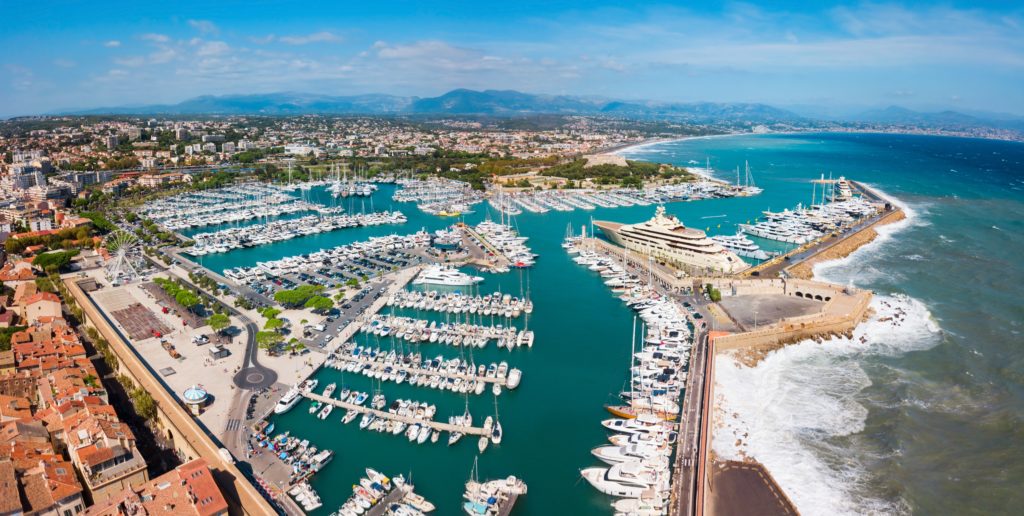
In premium Mediterranean or Caribbean marinas, annual dockage for a 45 ft catamaran can range between:
- $12,000 and $25,000+ per year
In other marinas, annual berthing costs can be significantly lower than in premium Mediterranean hotspots. For example, in parts of Spain, monthly rates for a 45-foot catamaran can average around €700, while in Tunisia, comparable berths may cost closer to €500 per month.
Strategic anchoring and seasonal relocation can reduce this cost, but availability and regulations vary by region.
3. Insurance
Insurance premiums generally range from 0.7% to 1.5% (especially for crewed yachts or yachts for charter) of the vessel’s insured value annually.
Factors influencing premiums include:
- Cruising area (hurricane zones increase rates)
- Owner experience
- Charter vs private use
- Claims history
For a mid-range cruising catamaran, expect $6,000 to $18,000 annually.
Variable Costs: Cruising Lifestyle Expenses
These depend entirely on how the vessel is used.
Fuel
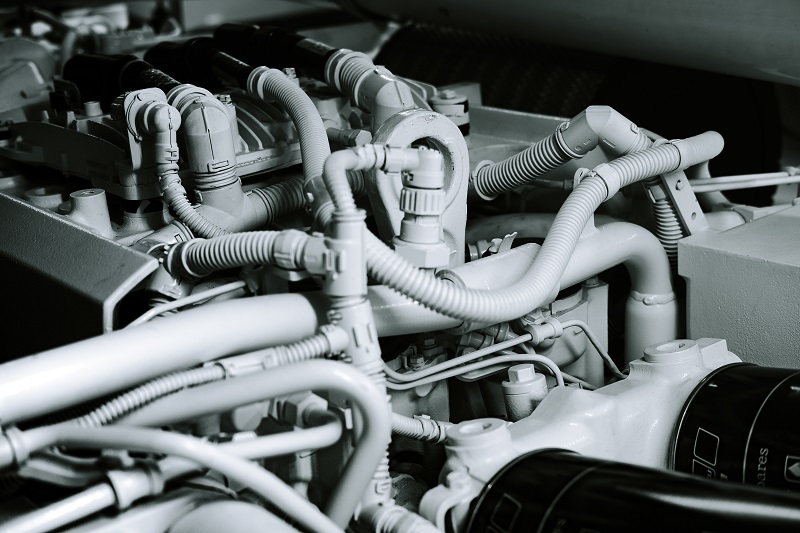
Although catamarans are efficient under sail, engines are regularly used for:
- Docking and maneuvering
- Battery charging (if no generator or large solar array)
- Motoring in light winds
Fuel budgets vary significantly based on cruising style.
When analyzing fuel consumption, it’s important to distinguish between propulsion systems, as they significantly impact operating costs.
Traditional 100% thermal (diesel-powered) catamarans typically consume around 15 liters per hour per engine at average cruising speed. For a twin-engine setup, this means roughly 30 liters per hour in total. While this remains substantially lower than a motor yacht (monohull) of comparable size, it is still a meaningful operating expense — especially over long passages or during extended cruising seasons. Fuel costs can therefore add up quickly for owners who rely heavily on engine propulsion rather than sailing.
By contrast, fully electric catamarans drastically reduce — and in some cases eliminate — fuel consumption. When powered primarily by battery banks supported by solar panels and hydrogeneration, their fuel usage becomes comparable to that of traditional sailing catamarans operating mainly under sail.
Read also: Whisper 50: The Solar-Powered Catamaran Making Waves at the Cannes Yachting Festival 2025
Living Expenses
If living aboard full time, costs include:
- Provisions
- Internet and satellite communications
- Water, gas, and consumables
- Entertainment and travel
Many liveaboard owners report spending amounts comparable to land-based living, adjusted for geography.
Long-Term Ownership Costs
Equipment Replacement Cycles
Every major component has a lifecycle:
- Sails: 5–8 years
- Standing rigging: 7–10 years
- Lithium battery banks: 5-10 years
- Electronics: 7–10 years
- Engines: 5,000–8,000 hours before major overhaul (lifeban 10 000h)
Planning ahead prevents sudden financial strain.
Depreciation
New catamarans typically experience the steepest depreciation in the first 3 years.
However, well-maintained multihulls from respected builders such as Privilege or Gunboat often retain value better than monohulls due to sustained global demand.
A documented maintenance history and professional management significantly improve resale positioning.
Charter Programs: Offsetting Ownership Costs
Some owners choose to place their vessel in a managed charter program to offset expenses.
This can:
- Reduce annual out-of-pocket costs
- Provide professional maintenance
- Generate income
However, increased usage accelerates wear and must be factored into long-term planning.
Our management structure typically includes:
- Commercial optimization: Strategic pricing, strong distribution networks, and targeted marketing to maximize occupancy rates.
- Operational management: Turnovers, cleaning, maintenance coordination, and technical supervision to maintain the yacht in charter-ready condition.
- Administrative handling: Contracts, payments, reporting, and financial transparency for owners.
If you would like more detailed information about our management model and how it can offset your ownership costs, please feel free to contact us directly.
Read also: The 10 Biggest Catamarans For Charter Worldwide
What Is the Real Annual Budget to own a Catamaran?
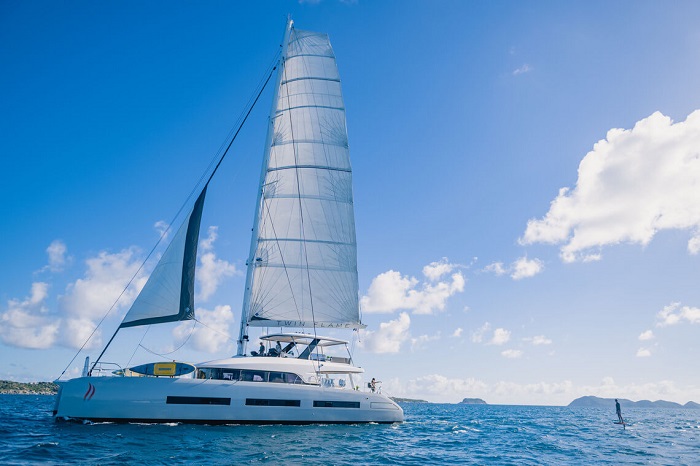
For a 40–45 ft cruising catamaran valued at $700,000, a conservative annual ownership estimate may look like:
- Maintenance: $20,000 – $40,000
- Dockage: $10,000 – $20,000
- Insurance: $4,000 – $6,000
Total estimated annual cost: $34,000 – $66,000+
This does not include financing costs if applicable.
Read also: Power or Sail Catamaran – What’s Right for You?
Owning a Catamaran is Lifestyle Choice and Strategic Investment
Catamaran ownership delivers unmatched comfort, range, and stability at sea. But it requires disciplined financial planning and professional guidance.
At Windward Yachts, we approach every acquisition as a long-term strategy — not an emotional purchase. From purchase negotiations to ownership planning and exit strategy, our objective is to ensure clients understand the full financial picture.
A catamaran is not simply bought. It is managed, maintained, and positioned.
For buyers who value clarity, expertise, and structured planning, understanding the true cost of ownership is the first step toward making the right decision.
Get in touch us if you need management for your catamaran or require assistance purchasing one.