

A charter can reveal which yacht features matter in real use—not only at the dock.
Many future owners begin their search with a brand name, a length range or a photograph that catches their attention. Those are natural starting points, but they are not yet buying criteria. A yacht that looks convincing at a boat show can feel entirely different after two days underway, at anchor or around a busy breakfast table.
A well-planned charter is one of the best ways to replace assumptions with evidence. When you charter a yacht, you can observe how you actually move through the boat, which spaces your guests use, what level of crew support feels right and where small inconveniences become daily frustrations.
The aim is not necessarily to charter the exact yacht you may buy. It is to leave with a buyer’s brief precise enough to guide a broker, filter listings and make a sea trial more productive.
The following framework turns a charter experience into a practical ownership specification.
1. Treat the Charter as Field Research
Before boarding, write down your current assumptions:
- How long your typical trips will be
- How many people will usually sleep aboard
- Which cruising areas interest you
- Whether you plan to operate the yacht yourself or with professional crew
Then spend the charter testing those assumptions rather than judging the yacht only by its décor.
Pay close attention to:
- Where everyone naturally gathers while underway and at anchor
- Which cabins, lounges or exterior areas remain unused
- Noise, vibration and visibility at cruising speed
- Motion at anchor and the effectiveness of stabilization
- Boarding, tender access and movement between decks
- Galley workflow, dining layout and storage
- Privacy between owners, guests and crew
- Climate control and onboard connectivity
The most useful notes are specific.
Instead of writing “The yacht felt cramped,” write “Six guests could not sit together in the shade without moving loose chairs.”
2. Define Your Operating Profile Before Choosing a Brand

Your operating profile should always come before your preferred brand.
It defines what your yacht must do repeatedly and influences almost every major design decision.
| Decision Area | What the Charter Reveals | Possible Buyer Requirement |
|---|---|---|
| Cruising area | Sea state, harbor depth, exposure | Draft, range, stabilization |
| Trip length | Water and provisioning consumption | Tankage, refrigeration, storage |
| Guest pattern | Cabin usage and privacy | Cabin layout, berths, day heads |
| Life on deck | Sun, shade, gathering areas | Hardtop, cockpit, flybridge |
| Water access | Tender and toys usage | Swim platform, tender garage |
| Crew model | Service expectations | Crew cabins, circulation |
A Mediterranean day cruiser, a family yacht and a long-range passagemaker may all be luxurious—but they are built for completely different purposes.
3. Choose the Yacht Type Before the Yacht Model

Use your charter experience to determine which platform best suits your lifestyle.
Consider the differences between:
- Motor yachts
- Sailing yachts
- Catamarans and multihulls
Rather than asking:
“Which yacht impressed me the most?”
Ask:
“Which yacht best supported the way we actually travelled?”
Read also: Best Catamarans to Buy in 2026: Ultimate Luxury & Performance Guide
4. Size the Yacht Around the Operation, Not the Aspiration

Length is only one part of comfort.
Beam, layout, interior volume and deck design often matter just as much.
During your charter, identify:
- The smallest yacht that comfortably meets your needs
- What additional size would genuinely improve
If you cannot identify a clear operational benefit, a larger yacht may simply increase ownership costs.
5. Translate Comfort Into Measurable Requirements
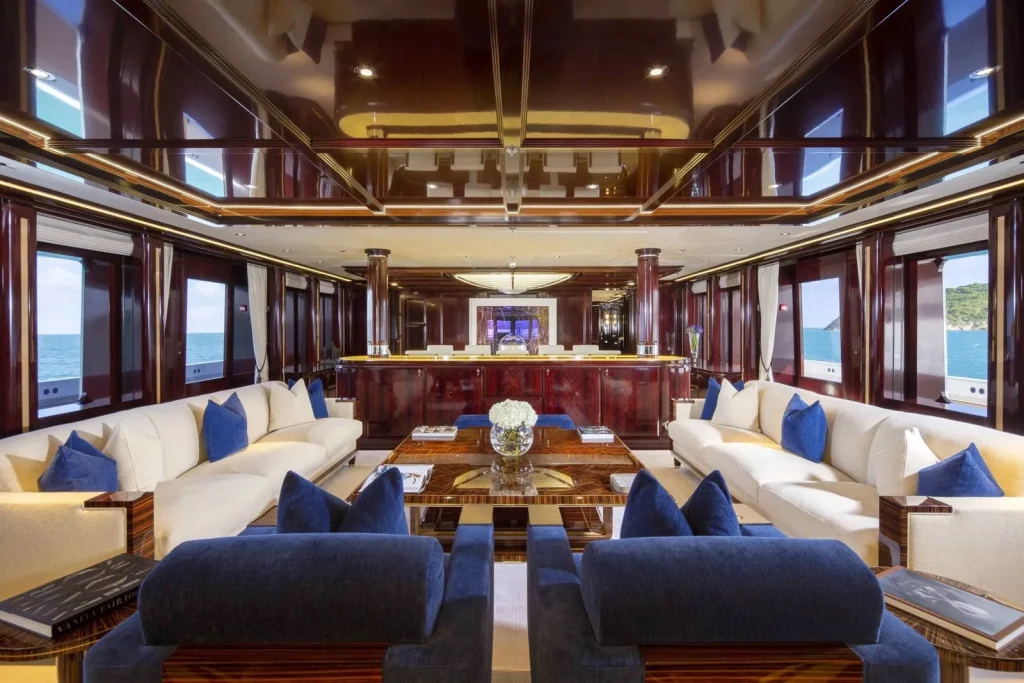
Comfort should become a checklist—not just a feeling.
Instead of writing:
- Spacious interior
- Good range
Define measurable criteria such as:
- Cabin count
- Berth dimensions
- Headroom
- Storage capacity
- Noise level while cruising
- Stabilization at anchor
- Shade on deck
- Freshwater capacity
- Tender handling
- Workspace and connectivity
Divide your final list into:
Non-negotiables
Essential features that every yacht must have.
Strong Preferences
Features that significantly improve your experience.
Cosmetic Choices
Interior colours, finishes and furniture that can easily be changed later.
6. Build the Ownership Budget Before Falling in Love With a Yacht

The purchase price is only the beginning.
Your ownership budget should include four categories:
- Acquisition costs
- Initial setup costs
- Annual fixed expenses
- Variable operating expenses
Typical recurring costs include:
- Marina berth
- Insurance
- Maintenance
- Crew
- Yacht management
Fuel, provisions and cruising expenses vary depending on how you use the yacht.
A reserve fund should also be planned for unexpected repairs.
You should also compare the benefits of purchasing:
- A brand-new yacht
- A recent pre-owned yacht
Read also: Luxury Yachts for Sale – Windward Yachts Fleet
7. Decide How Much Crew and Service You Need
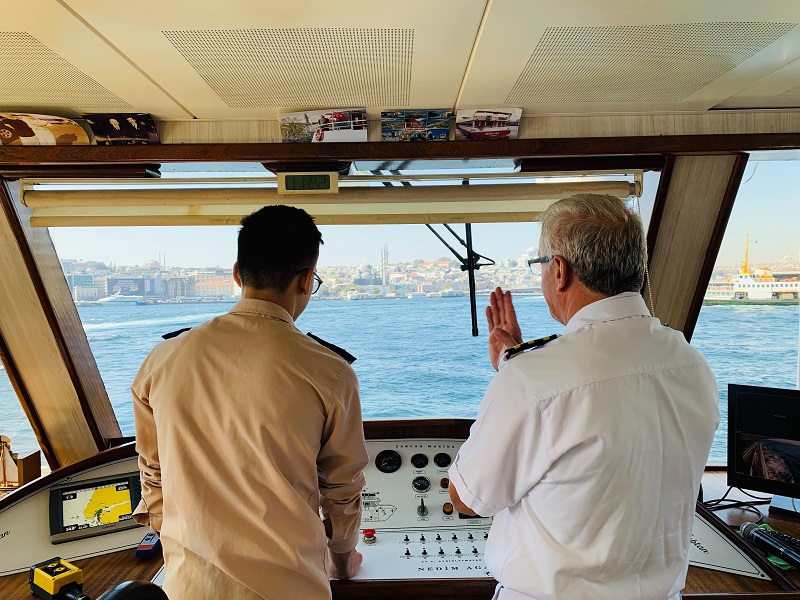
Chartering allows you to experience professional service firsthand.
Observe:
- Docking assistance
- Navigation
- Housekeeping
- Provisioning
- Tender handling
- Guest service
Then decide which responsibilities you would prefer to manage yourself.
If you intend to hire crew, crew accommodation and workflow become critical design considerations.
8. Turn Your Notes into a Shortlist Scorecard

Your buyer’s brief should become a practical evaluation tool.
Rate each yacht according to:
- Cruising capability
- Accommodation
- Outdoor living
- Ease of operation
- Ownership costs
- Resale potential
Treat essential requirements as pass/fail criteria before scoring preferences.
The purpose is to avoid being distracted by impressive features that don’t actually fit your boating lifestyle.
Read also: How to Legally Avoid Paying VAT on a Yacht (2026 Guide)
9. Compare Listings Only After Completing Your Brief
Once your buyer’s brief is finished, begin comparing available yachts.
Start by eliminating any yacht that fails your essential criteria.
Then compare the remaining options using your scorecard.
A good broker should clearly explain the trade-offs between each recommendation.
From Shortlist to Viewing and Sea Trial
A buyer’s brief is only the first step.
A viewing allows you to inspect:
- Interior layout
- Construction quality
- Machinery access
- General condition
A sea trial allows you to evaluate:
- Noise
- Visibility
- Handling
- Stability
- System performance
Always bring your buyer’s brief with you and assess every yacht using the same evaluation method.
Questions to Ask During Your Next Charter
Ask yourself:
- Which space do we use most?
- Is it comfortable during the busiest part of the day?
- Which tasks feel easy because the crew handles them?
- Which feature looked impressive but added little value?
- Where do noise, heat or poor circulation become noticeable?
- Would this layout work with our usual guests?
- What would we change before repeating this itinerary?
The Best Yacht Is the One That Fits Your Program
A successful purchase is not necessarily the biggest yacht, the newest yacht or the most luxurious yacht.
It is the yacht that best matches the way you genuinely intend to cruise.
Chartering provides one of the best opportunities to discover what truly matters before making such an important investment.
Observe carefully, take detailed notes, define your requirements and compare every yacht using the same objective criteria.
Doing so won’t eliminate every compromise—but it will ensure every compromise is a deliberate one.