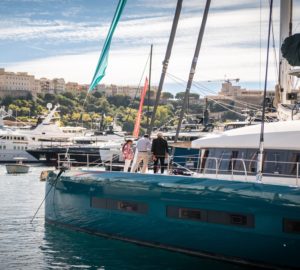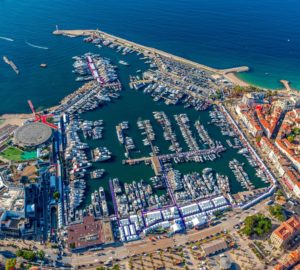
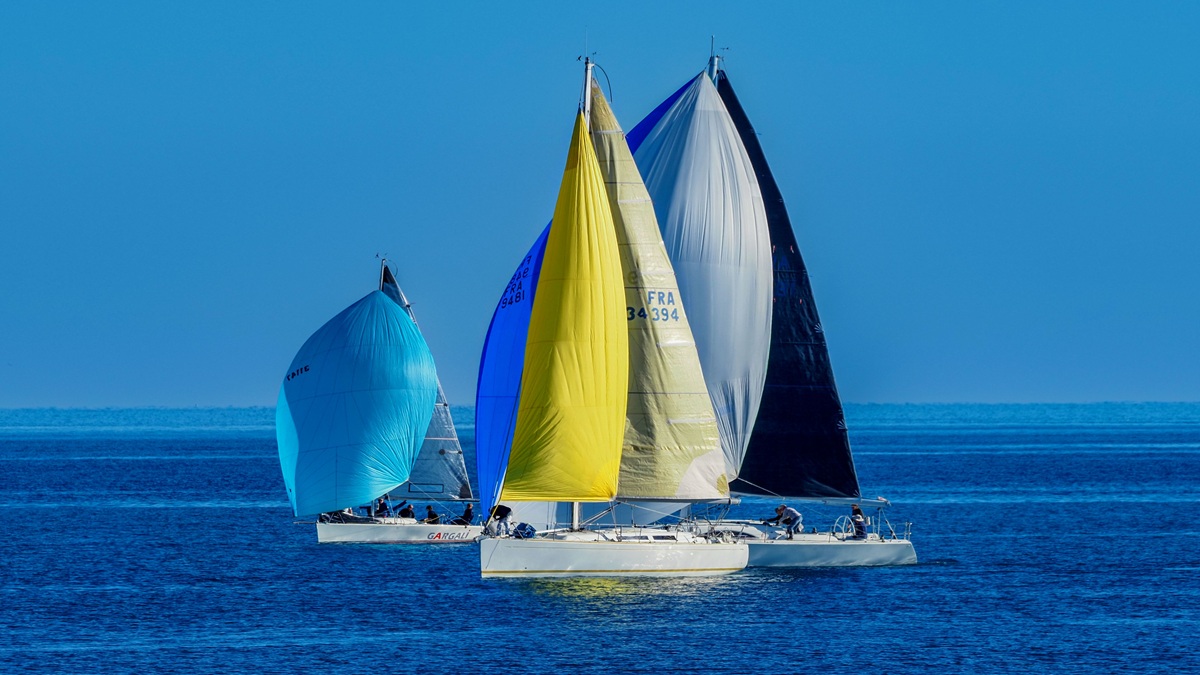

You thought horse racing was a niche sport? How about Championship Yacht Racing? Yes, that’s also a thing, and the parallels with horse racing are undeniable.
At first glance, you may be thinking, “What could a six-tone racing yacht flying above the Mediterranean possibly have in common with a Thoroughbred charring down the stretch at Keeneland?”
Well, it’s not like they are identical, but they definitely show some similarities, and the most obvious one is that both are designed for the ultra-wealthy people who seem like they have plenty of money to spare.
But all jokes aside, championship yacht racing and elite horse racing repeatedly confront competitors with very similar problems, such as when to use speed, where to position themselves, how much weight matters, and how to react in changing conditions.
Let’s dig deeper into this parallel and find out all the things that yacht racing and horse racing have in common.
Read also: Les Voiles de Saint-Tropez: A Nautical Spectacle on the Côte d’Azur
The Start Matters Long Before the Finish
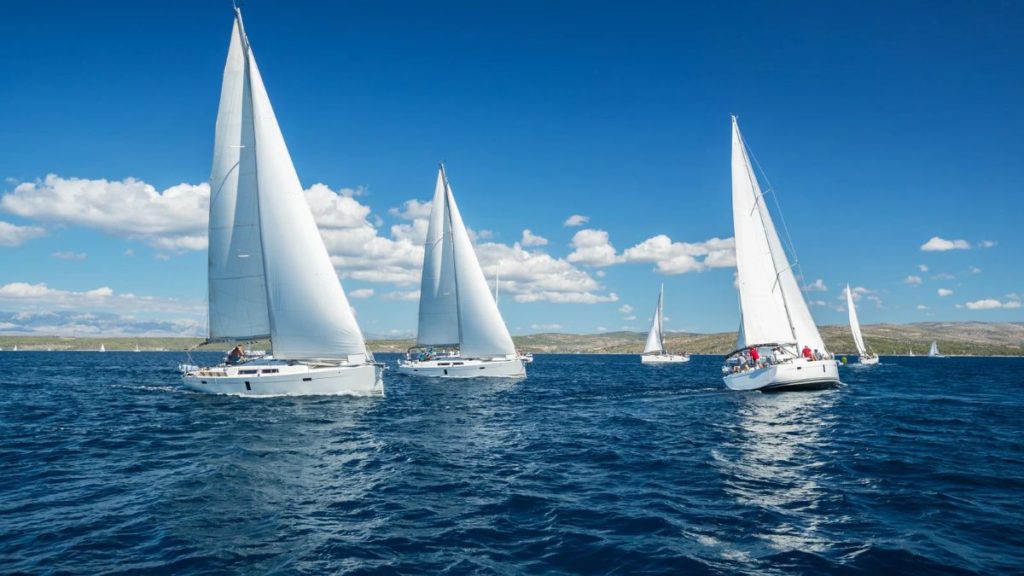
The first and most obvious similarity is positioning. For those that follow yacht racing, they probably already know the importance of positioning.
In SailGP, crews do not simply wait behind a line until somebody fires a starting signal. The tactical battle begins even several minutes before the race even starts. Former SailGP driver Phil Robertson describes the start as potentially making or breaking the entire race.
Teams monitor information such as their time to the starting line while they keep an eye on their rivals, wind, and available space. If you manage to get near the front, this can provide clear air and considerably more tactical freedom.
Now, let’s take a look at horse racing. Yes, the start is different since Thoroughbreds begin from starting stalls rather than circulating around, but the opening seconds are just as important.
Horses are trained to be calm at the starting gate and accelerate immediately when the gates open. Plus, jockeys here always think about positioning and grabbing that inside line and avoiding traffic, which may slow them down.
If you’ve watched horse racing events like the Breeders’ Cup Classic, you’d notice that the horse that runs fastest from the starting gate isn’t usually the one winning the race, because it is not always about full speed. So, if looking to bet the Breeders’ Cup Classic, make sure you analyze the horse’s previous runs and how well it performs at the start.
Maximum Speed Is Not the Same as Racing Well
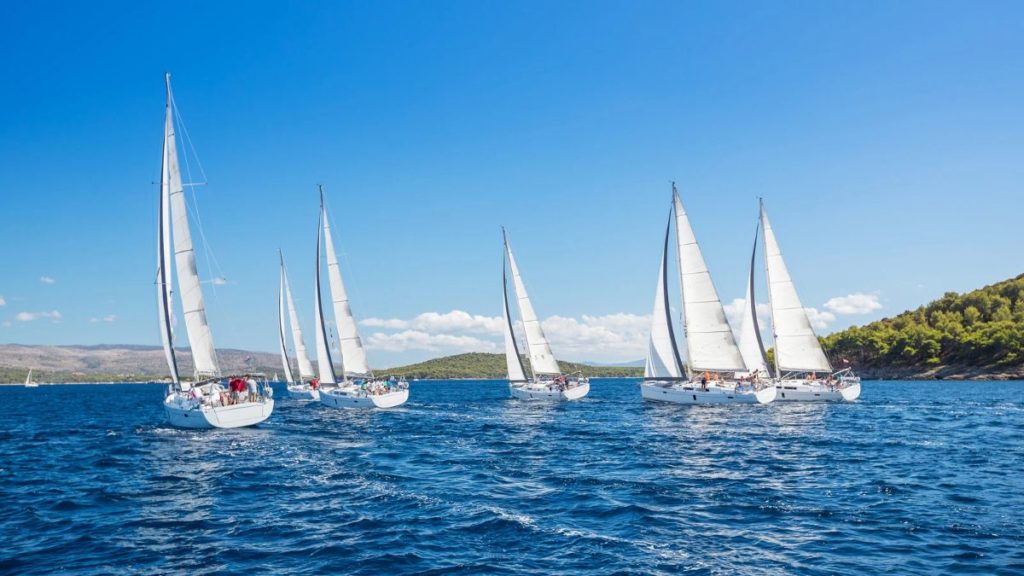
This is perhaps the strongest similarity.
The fastest yacht does not necessarily win. Neither does the horse capable of producing the highest brief burst of speed.
America’s Cup yachts now use hydrofoils to lift much of the hull above the water and dramatically reduce drag. Modern AC75s can exceed 50 knots but maintaining that performance requires the crew to manage sail shape, foil behavior, heading, and changing wind conditions continuously. America’s Cup organizers describe today’s boats as networks of advanced systems in which real-time information helps sailors keep the yacht operating close to its optimum performance.
A Thoroughbred faces its own version of the problem.
A horse that runs the opening stages far faster than its sustainable pace may have very little left when the race becomes serious. Conversely, a horse that conserves too much energy may discover that the leaders have disappeared several lengths up the track.
Both Sports Are Completely At The Mercy of Conditions
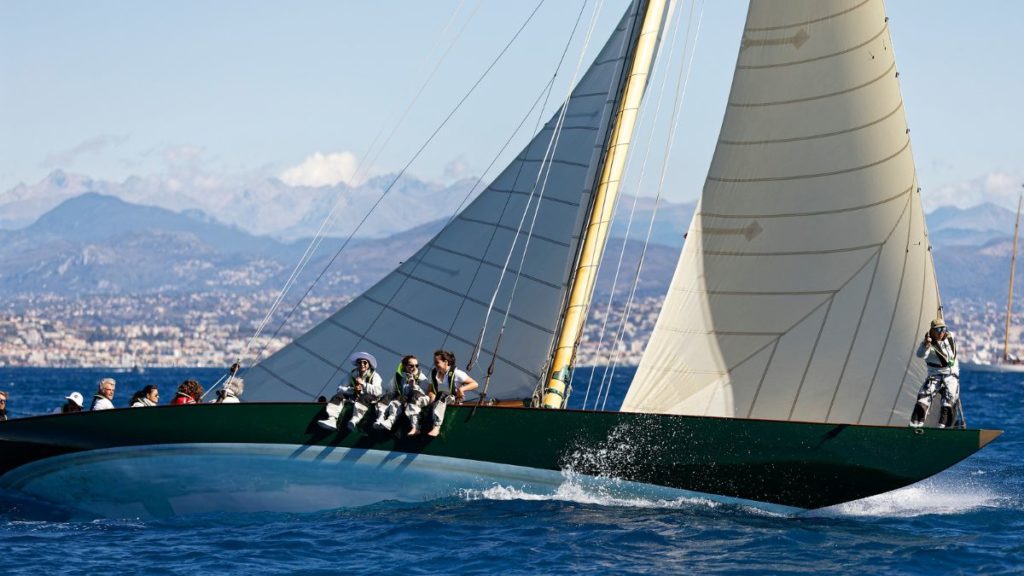
Yacht sailors have a particularly difficult relationship with weather because the wind is both their fuel and their problem.
A shift in direction can change which side of the course is favorable. Stronger or lighter patches of breeze alter boat speed. Waves affect control. A team that made an excellent tactical decision thirty seconds earlier can suddenly discover that nature has renegotiated the arrangement.
That uncertainty is one reason America’s Cup development now includes increasingly sophisticated weather and wind analysis. Organizers specifically highlight advanced tools designed to understand wind patterns in greater detail alongside simulators that allow teams to test strategy before entering the water.
Horse racing has its own environmental variables.
Turf can be firm one afternoon and soft after heavy rain. Dirt tracks can change as weather and maintenance affect the surface. Wind, racecourse layout, and pace can all influence performance. The British Horseracing Authority even accounts for significant wind, the going, course characteristics, and weight when analyzing race times and producing speed figures.
Weight Becomes Almost an Obsession

People outside these sports sometimes underestimate how seriously racing competitors treat weight.
In the AC40 class used around the America’s Cup, crew weight is tightly regulated specifically to prevent one team gaining an unfair advantage simply by sending a lighter group of sailors onto the water. During the 2026 Naples preliminary regatta, crews went through official weigh-ins as part of those equalization rules.
Horse racing has been thinking this way for centuries.
Jockeys weigh out with their equipment before a race, and handicaps deliberately assign different weights to horses according to their official ratings. In Britain, a higher-rated horse carries more weight in an attempt to create more competitive racing.
So, quite different sports, yet so many similarities. And honestly, this is expected since the purpose of both sports is the same: reaching the finish line quicker than the competition.