
For most people who own a boat, a marina is simply where the boat lives when it’s not out on the water – a place you pay to keep, not something you think about owning. But for investors, marinas are often evaluated alongside other types of commercial real estate, although they stand apart by combining scarce waterfront land with an operating business that includes fuel docks, retail, storage, repair services, and the slips themselves. And the numbers back up just how differently this asset class behaves compared to a typical office building or shopping center – marinas commonly trade at cap rates between 6% and 12%, well above what most conventional commercial property delivers, precisely because of the operational complexity and limited supply involved.
That yield premium isn’t free money, though. Because good waterfront is genuinely finite and new marina development is heavily regulated almost everywhere, marina ownership plays by a different set of rules than owning an office park or a strip mall. Anyone considering the jump from marina customer to marina owner needs to treat it as a real business acquisition, not an extension of a boating hobby.
Understanding Marina Ownership as Commercial Real Estate
What Makes a Marina a Commercial Property?
A marina is a lot more than a row of docks. It’s an income-producing property that blends real estate with marine infrastructure, customer service, and daily business operations all running at once.
Revenue typically comes from berth rentals, fuel and maintenance services, storage, and retail, which means evaluating a marina means looking at both the property fundamentals and the business performance sitting on top of it – two very different disciplines that both matter here.
Marina Ownership vs. Leasing a Berth
Most boaters only ever experience a marina as a customer – paying for dockage, maybe seasonal storage, and that’s the whole relationship. Ownership is a completely different animal.
Buying a marina means taking on an operating business responsible for infrastructure upkeep, staffing, regulatory compliance, and long-term financial performance. It’s not really about securing waterfront access anymore. It’s about managing a revenue-producing asset that happens to sit on water.
Read also: 7 BEST SUPERYACHT LUXURY MARINAS IN THE MEDITERRANEAN
How Marinas Generate Revenue

Slip Rentals and Dockage Fees
Recurring berth rentals are the backbone of most marina income, with monthly, seasonal, and annual agreements providing steady, predictable cash flow, while transient visitors add extra revenue during peak season. Dockage income shifts a lot depending on vessel size, location, occupancy, amenities, and local demand, and coastal marinas with waitlists tend to command real pricing power over smaller regional facilities. UK coastal marinas, for instance, are currently running at roughly 96.6% occupancy, with inland facilities close behind at 90.3% – figures that reflect just how tight supply-constrained markets can get, even during a period of softening consumer demand.
Marine Services and Ancillary Businesses
A lot of a marina’s real financial strength comes from what happens beyond the slips themselves. Fuel sales, boat repair, winter storage, retail, restaurants, and event space can all meaningfully add to the bottom line, and they serve both marina tenants and the broader boating community passing through.
Diversified Income Supports Stability
Well-run marinas rarely lean on a single income stream. Spreading revenue across berths, services, and retail helps smooth out the seasonal swings that would otherwise hit occupancy-dependent income hard, and it gives owners more room to respond as customer habits shift over time.
The Investment Advantages of Waterfront Commercial Real Estate
Limited Waterfront Supply
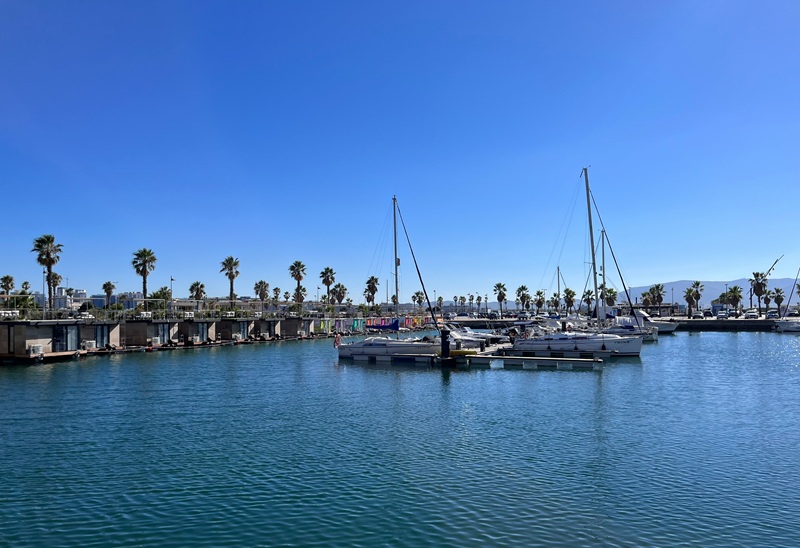
Coastlines, lakes, and navigable waterways aren’t expandable, and environmental regulation makes new marina development genuinely difficult almost everywhere. That scarcity is a real structural advantage – it’s very hard to simply build competing supply the way you could with, say, an industrial park, which is exactly why well-located marinas hold value so consistently.
Long-Term Demand Drivers Remain Mixed
Recreational boating, tourism, and waterfront residential growth continue to support marina demand in a lot of markets, though it’s worth being honest about the current picture. Confidence in the sector has actually softened somewhat – nearly half of UK marina operators recently surveyed expect their local market to weaken over the next year, citing an aging customer base and rising affordability pressure, even while occupancy at existing facilities stays high. That’s really the defining tension in this asset class right now: strong occupancy at established, well-located marinas, alongside real caution about where new demand is going to come from.
Strategic Locations Create Competitive Advantages
Location does a lot of heavy lifting in marina performance. Direct water access, proximity to population centers and tourist draws, and closeness to complementary marine businesses all strengthen a marina’s competitive position. Facilities near popular cruising routes tend to benefit from both loyal local customers and visiting boaters passing through, though performance still varies a great deal by region.
Risks and Challenges Marina Owners Should Understand

Environmental and Regulatory Requirements
Marinas operate under a regulatory load that’s genuinely different from most commercial property – environmental permits, shoreline protections, water quality rules, and fuel handling standards all require ongoing compliance. These obligations shape both operating costs and how much room there is to expand or improve the facility down the road.
Infrastructure Maintenance
Unlike a conventional building, marina infrastructure sits in constant contact with water and weather. Docks, pilings, seawalls, electrical systems, and fueling facilities all need regular inspection, and deferred maintenance here doesn’t just look bad – it directly erodes customer satisfaction and asset value over time. Industry data suggests marinas still running on outdated processes and neglected infrastructure can see seasonal occupancy drop by as much as 19%, which is a meaningful hit to revenue tied directly to how well the physical asset is maintained.
Weather and Climate Exposure
Waterfront property carries risks that inland commercial real estate simply doesn’t face. Storms, flooding, shifting water levels, and coastal erosion can disrupt operations and drive up maintenance costs in ways that are hard to fully predict. Solid insurance planning and genuine emergency preparedness aren’t optional extras here – they’re core to protecting the asset.
Read also: Best Yacht Charter Companies: an Overview
How to Evaluate a Marina Investment
Analyze Revenue Performance
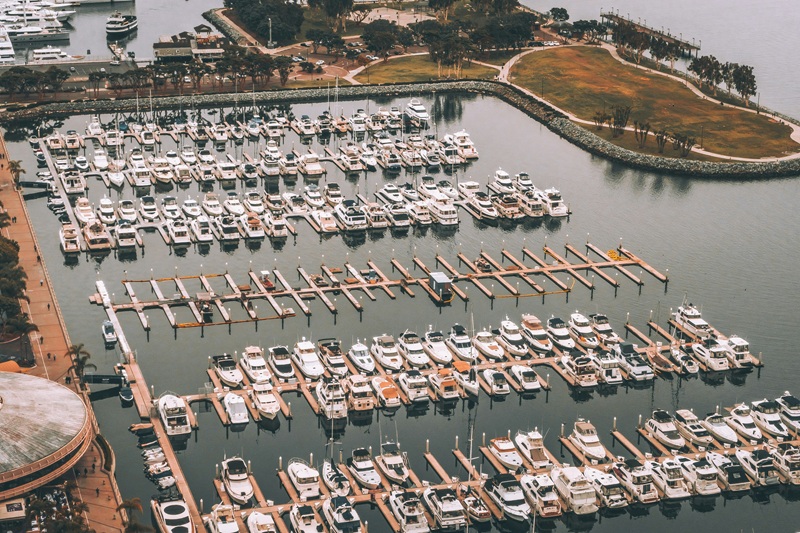
Financial due diligence needs to go well beyond the top-line revenue number. Berth occupancy, customer retention, seasonal patterns, and how much ancillary businesses actually contribute all matter, and a marina with diversified income tends to hold up better than one leaning entirely on slip rentals.
Evaluate the Physical Asset
A proper inspection covers dock condition, seawalls, pilings, utilities, fueling infrastructure, and expansion potential. Catching deferred maintenance early is really the only way to accurately estimate what capital spending will actually be needed after closing, rather than getting surprised by it a year in.
Understand the Local Market
Every marina lives inside its own regional context – boating participation, tourism, competing facilities, and local economic growth all shape what a marina is genuinely worth. A solid due diligence framework should cover:
- Historical occupancy rates
- Revenue diversification
- Infrastructure condition
- Deferred maintenance
- Environmental compliance
- Navigational access
- Local boating demand
- Competitive landscape
- Expansion potential
- Long-term regional growth
Cap rates across the sector currently vary quite widely based on exactly these factors – well-located coastal marinas with waitlists and strong ancillary income trade closer to 6-7%, while value-add or secondary-market properties can run 8-10% or higher, reflecting the real difference in risk between a trophy asset and a fixer-upper.
Is Marina Ownership Right for Every Yacht Owner?

Lifestyle Purchase vs. Commercial Investment
Some buyers want waterfront property purely for personal boating convenience. Others are after an income-producing asset. Both involve owning something on the water, but the goals – and the responsibilities that come with them – are completely different.
A private dock supports a lifestyle. A commercial marina demands actual business management, ongoing capital investment, and real customer service infrastructure. Being honest about which one you’re actually after matters a lot before writing a check.
Questions to Ask Before Investing
Before buying a marina, it’s worth sitting with a few honest questions: Is this really about the business, or about the lifestyle? Is there enough capital set aside for the maintenance this asset will inevitably demand? Can the regulatory complexity actually be managed, either directly or through professional operators? How diversified is the current revenue, and what would it take to strengthen that? Does the local boating market genuinely support demand over the next decade, not just this season?
The Bottom Line
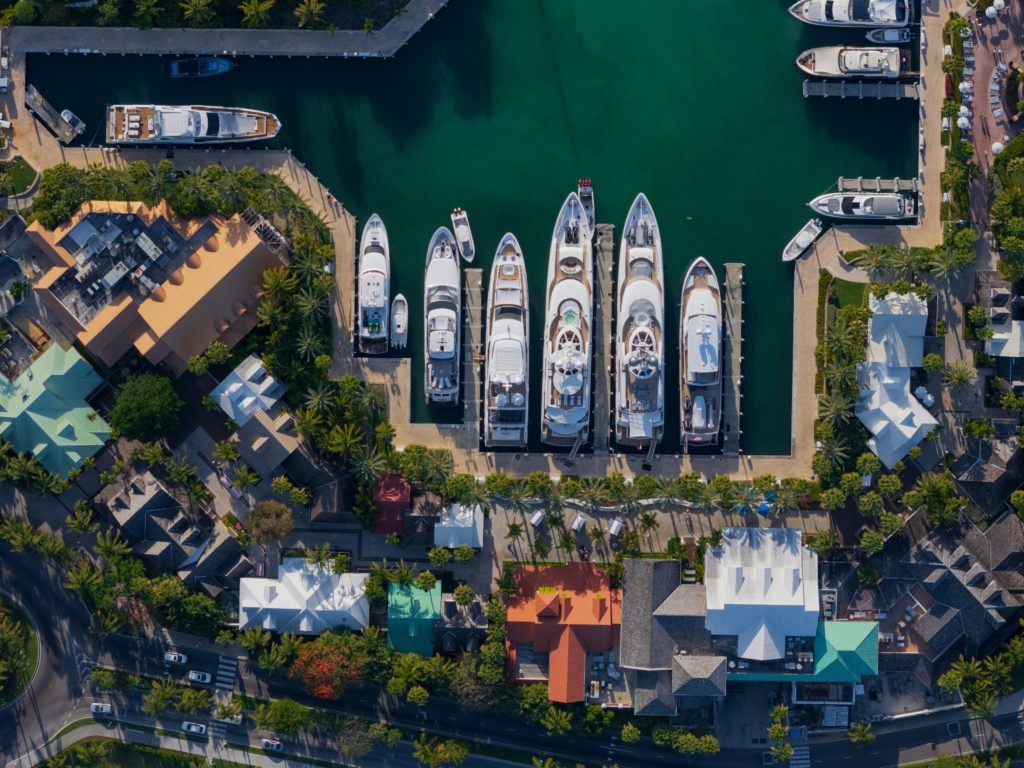
Marina ownership is a lot more than buying waterfront property or securing a private berth – it’s taking on a real operating business layered on top of scarce, hard-to-replace real estate. Investors who evaluate marinas purely through the lens of recreational boating tend to miss just how much operational complexity actually comes with the deed.
For a yacht owner thinking about making that jump from customer to owner, genuine due diligence matters more here than in almost any other commercial asset class. Balancing property condition, market demand, regulatory obligations, and financial performance – while being clear-eyed about where sector confidence currently stands – is what separates a well-run marina investment from an expensive lesson in how different owning water actually is from just enjoying it.
Read also: Listing your yacht for charter: Realistic 1st year numbers