
The financial commitment of owning a yacht is a major concern for prospective buyers—and rightfully so. Between maintenance, operational overhead, and the price gap compared to chartering, the numbers add up quickly.
Since 1999, we’ve bought, sold, and managed yachts worldwide. We’ve seen everything from deep financial drains to vessels that successfully break even or actually turn a profit.
In this guide, we break down the essential expenses (especially the hidden ones) you must evaluate before purchasing your first vessel. We also explore the primary costs of ownership and strategies to help offset them.
Note: If you are looking for the cost of a yacht charter (rental), please read this article instead.
TL;DR: The Real Cost of Yacht Ownership
If you are considering your first purchase, the most important rule of thumb is this: Expect to spend 10% to 25% of the yacht’s purchase price every year on operating and maintenance costs.
While the initial price depends on size and pedigree, the ongoing “hidden” costs are what truly define the investment.
Quick Price Reference
- The Buy-In: Ranges from $500k for vessels under 50ft to $10M+ for Superyachts.
- The Annual Overhead: * Under 60ft: ~$100k/year (approx. 10% of value).
- 100ft+: $2M+/year (approx. 20% of value).
What’s Included in the Bill?
Your annual budget must account for fuel, mooring, crew, insurance (0.8%–1.2%), maintenance, and a 7–10% depreciation hit.
Good News: These costs aren’t fixed. There are proven strategies to offset these expenses and drastically reduce your net spend. Read on to discover how.
The Purchasing Price of a Yacht
Before we dive into the monthly, annual, and decade-level expenses of ownership, let’s address the elephant in the room: What does the yacht itself cost?
The short answer is that it depends—but size is the primary driver of price.
While there are always exceptions based on customization and condition, the 2026 market generally follows these brackets:
- Below 50ft (15m): between 500K – 2,500,000 € / USD
- Between 50-70ft (15-21m): between 2 millions and 6 millions € / USD (See our 9 catamarans for sale under 6 millions here)
- Between 70-100ft (20-30m): between 6 millions and 20 millions € / USD
- Superyachts over 100ft (30m): minimum 10 millions € / USD
Why the Price Varies Even Within The Same Price Bracket
Beyond length, several factors dictate the final asking price:
- Market Dynamics: Current supply vs. demand.
- Pedigree: Brand reputation and model desirability.
- Provenance: The vessel’s age and maintenance history.
- Seller Motivation: The urgency of the sale.
The Main Hidden Costs That Come With Yacht Ownership
The purchase price is only the entry fee. In many cases, a “bargain” hull becomes a financial liability once you factor in the recurring overhead. To understand the true cost of ownership, you must account for the substantial annual expenses that follow the handover.
Here are the primary costs to watch for:
Operational & Running Costs: Calculate Before You Buy
Operating a yacht is an ongoing expense that must be audited well before you sign a bill of sale.
If you have previously chartered, you may recognize these as the costs typically covered by your Advanced Provisioning Allowance (APA). As an owner, these responsibilities shift from a managed fee to direct overhead.
The primary operational drivers include:
- Fuel: Highly variable based on engine type, cruising speed, regional pricing, and total distance logged.
- Mooring & Berthing: Fees fluctuate significantly based on the prestige of the marina and the overall beam/length of your vessel.
- Crew: If required, costs scale with the size of the team, their experience level, and whether they are seasonal or full-time. To know more on the ones you need per type of yachts, read this guide.
- Connectivity: Satellite and communication fees for offshore access.
- Provisions: High-end food and beverage supplies for guests and crew.
- Leisure & Lifestyle: Maintenance and operational costs for tenders, toys, and specialized excursion equipment.
Yacht Maintenance: The Non-Negotiable Overhead
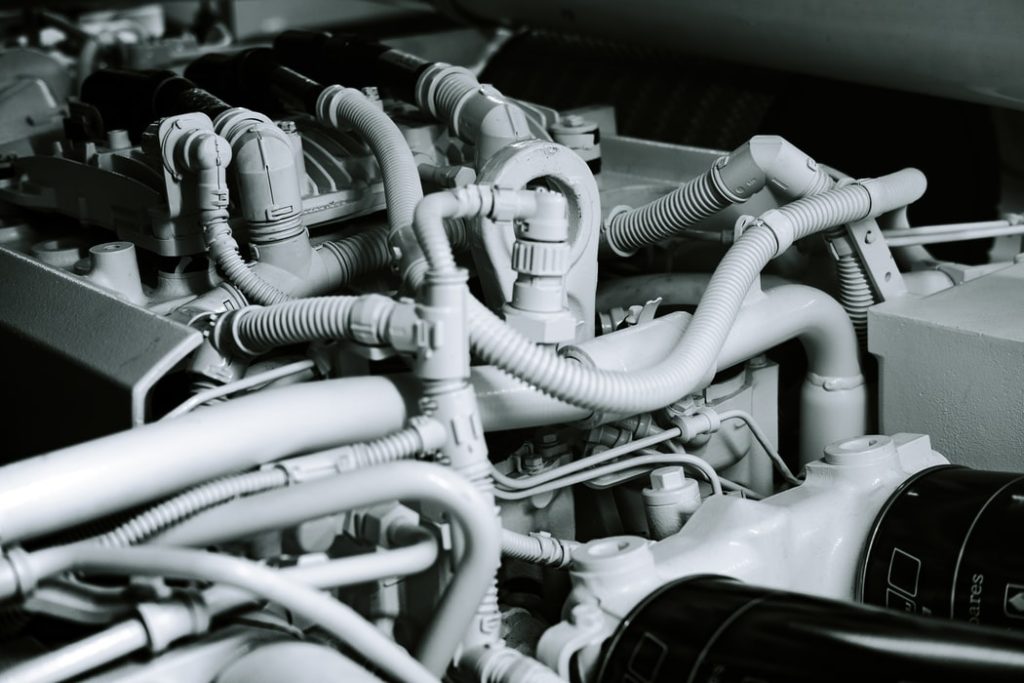
Even when your yacht is sitting idle, it is costing you money. Maintenance is not a luxury—it is a mandatory requirement to preserve the vessel’s value and seaworthiness. Costs fluctuate based on the yacht’s type (motor vs. sail), size, and age.
Standard maintenance includes:
- Systems & Rigging: Regular servicing of engines, thrusters, sails, and safety equipment.
- Hull Care: Annual antifouling and zinc anode replacement.
- Cosmetic Upkeep: Professional painting, teak treatments, and specialized leather or interior care.
- Contingency: A dedicated “buffer” budget for mechanical breakdowns or structural repairs.
Whether you are a hands-on owner or hire specialists, an older vessel with a long sailing history will naturally require a more aggressive maintenance budget.
Taxes and Insurance: The Overlooked Essentials
Many buyers fail to account for the fiscal tail that follows a purchase. You must budget for both the initial sales tax (VAT or similar) and ongoing annual levies.
Insurance is a critical line item. A comprehensive marine policy typically costs between 0.8% and 1.2% of the yacht’s purchase price annually.
Must Read : Yacht Insurance : The Definitive Owner’s Guide
Harbor & Winterization: A Significant “Hidden” Cost
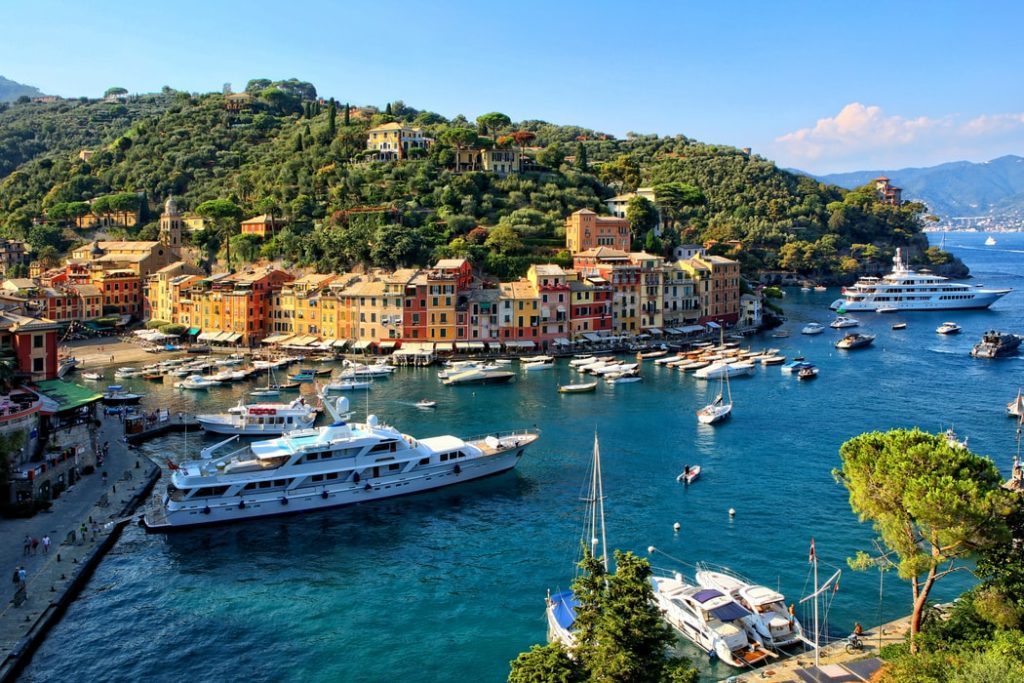
Mooring and storage fees represent one of the largest variables in ownership.
- In-Water Berthing: If you keep your yacht in the water year-round, you will need a harbor ring or slip concession. Prices vary from a few hundred to several thousand dollars per month depending on the marina’s prestige and the boat’s beam.
- Dry-Docking & Winterization: In many regions, you must haul the boat out for the off-season. This involves specialized transport, storage fees, and winterization services, which can be surprisingly expensive.
Fortunately, most marinas can provide a clear quote once you have settled on a specific model and size.
Yacht Depreciation: Understanding the Curve
Like a luxury vehicle, a yacht is a depreciating asset. Estimating the exact rate is complex, as it is influenced by global economic conditions, currency fluctuations, inflation on new builds, and the specific shipyard’s prestige.
However, a reliable baseline for your financial planning is:
- Year 1: Expect a minimum depreciation of 10%.
- Years 2–4: Depreciation typically stabilizes around 7% annually.
- Year 5 and Beyond: The rate of depreciation generally slows down.
The Trade-off: While the loss in market value tapers off after the five-year mark, you should expect a corresponding increase in maintenance and operational costs as systems age and require more intensive servicing.
How to Offset the Costs of Yacht Ownership
A yacht generates expenses whether it’s cruising the Med or sitting in a slip. To transform it from a “black hole” into a managed asset, you must maximize its utilization. Here is how savvy owners bridge the gap:
1. Placing Your Yacht into Charter
The most common way to mitigate overhead is to rent out your vessel when you aren’t using it. While charter income rarely turns a net profit after all expenses, it significantly pads the budget.
Market Insight: Yacht to Charter: Can It Be Profitable?
Professional Management: Partnering with a reputable charter company like ours is essential. We handle the “red tape,” including international maritime law, specialized insurance, and booking logistics, saving you from the administrative burden. Contact our team if you need any assitance to offset your yacht costs.
2. Fractional Ownership
If you only plan to spend a few weeks a year on the water, why pay for 100% of the vessel? Fractional ownership allows you to own a share (typically 25% to 50%) of a yacht.
Managed Programs: Modern firms now offer formalized fractional programs. They provide a 24/7 “hotel-style” service, managing the crew and maintenance so you can simply step on board and enjoy your time.
The Benefit: You split the purchase price and all recurring costs (maintenance, insurance, mooring) with co-owners.
The (Often) Cheaper Alternative: Stick to Chartering
f the math of ownership still feels heavy, remember that chartering is almost always the cheaper alternative.
Zero Long-term Liability: You pay for your time on the water and walk away. No maintenance, no depreciation, and no “hidden” surprises.
- Variety: Chartering allows you to test different brands, hulls, and regions every season before committing to a specific model.
The Bottom Line
If you have the capital and a clear understanding of the “hidden” numbers, the freedom and memories of ownership are unmatched. However, evaluating these costs upfront is the only way to ensure your time at sea remains a pleasure, not a pressure.
Contact our team to get assistance to offset the cost or your yacht or browse our fleet for an unforgetable charter.

Frequently asked question
For a 60-foot or million-dollar yacht, the cost per year will be about 10% of its value or $100,000 per year.
You should expect to pay about 20% or more of the original price of your boat to run it annually. So, for a $10 million yacht, the cost to operate will be about $2 million per year, including fuel, insurance, dock fees, maintenance and repairs, crew, etc.
A 180-foot superyacht and/or mega yacht costs a minimum of $4.75 million per year to operate and maintain. Kitty McGowan of the US Superyacht Association estimates an annual budget of $1 million for maintenance and repairs, $350,000 for dockage, $240,000 for insurance, $400,000 for fuel, and $1.4 million for the crew. Add another 15-25% of the vessel’s value for V.A.T.
Once you have weighed the pro and cons, if you can afford the purchase and all the hidden annual expenses, have found your dreamed yacht, and have time to enjoy it, you should go for yacht ownership!
It is not the best way to make money, but you can minimize your annual expenses by renting it or opting for fractional boat ownership.
It’s hard to tell. As long as you have the money and enough time to enjoy it, it is worth owning a yacht! Everything cannot be estimated. For example, it will bring you invaluable freedom and happiness.
One of the easiest way to reduce the maintenance cost of a yacht is to fractional yacht ownership. That way, the maintenance expenses are spread among co-owners according to their shares.
It varies greatly depending on the size of the yacht. For a yacht of 60ft (18m), you will likely spend around 10% of its purchase value each year in maintenance and exploitation costs.
Luxury yachts have maintenance and operation costs that are around 10% of their value yearly. So if a yacht value is 2 millions USD, its maintenance and operations costs should be around 200K / year.
Operating a sailboat is usually 20-40% cheaper than the same size motoryacht. Motoryachts tend to be more expensive to operate than sailboats as the fuel consumption can become an important expenditure fast.
A small yacht below 50ft is usually for sale between 500K and 2,5 millions USD / €. A mid-size yacht between 50ft and 100ft is usually for sale between 2-15 millions USD / €. Above 100ft, the selling price is rarely below 10 millions USD / €.