
When contemplating the possibility of investing in a luxury yacht, questions often arise as to what kind of return an owner can expect on their investment beyond a fun and exciting experience out on the open water.
Since 1999, we’ve bought, sold, and managed yachts worldwide. We’ve seen everything from deep financial drains to vessels that successfully break even or actually turn a profit.
In this article, we’ll answer the question whether or not a regular yacht owner can rent it out and expect to make a profit out of it.
TL;DR: Can You Actually Make a Profit Chartering Your Yacht?
- The Reality: For most owners, chartering is a way to subsidize the high costs of ownership rather than a source of passive income.
- The Hurdles: High operating overhead, seasonal demand, and constant maintenance make consistent profitability challenging.
- The Strategy: Success requires the right vessel in a high-demand location (like the Med or Caribbean) combined with professional management and a solid marketing plan.
- The Alternative: If the financial risk of full ownership is too high, fractional ownership offers the lifestyle benefits at a fraction of the cost.
What Yacht Owners Need to Know Before Entering the Charter Business
Owning a yacht and chartering it are two completely different things. If you don’t own a yacht yet, the issue is even worse. Here are some valuable reminders.
Owning a yacht (for a charter business or not) comes with a hefty price tag.
The initial cost of purchasing a yacht is high, and it is just the beginning. One must also take into account the maintenance and operation costs that come with owning a yacht. The operation costs include the cost of fuel, mooring fees, crew salary, communication expenses, yacht insurance, and P&I.
These costs alone can quickly add up and make up a significant portion of the expenses associated with owning a yacht.
On top of the operation costs, one must also consider the maintenance cost. Keeping a yacht in top shape requires a considerable investment in shipyard costs, replacing broken parts, painting, and regular cleaning. Ongoing maintenance is essential to keep the yacht seaworthy and in excellent condition.
Chartering yachts is a regular (and regulated) business
Chartering isn’t a casual hobby; it’s a highly regulated industry.
You must open a limited liability company, navigate local licenses, safety certifications, and liability standards.
Success depends on your target market, pricing strategy, and, most importantly, your relationships with industry brokers. Without professional networking, you risk falling into the “sunk cost” fallacy.
It’s Not Passive Income
From the outside, it looks like easy money.
In reality, managing a charter involves intense logistics: hiring crew and dealing with turnover, overseeing maintenance, provisioning food and beverage, and securing moorings.
If you aren’t an industry veteran or working with a broker, you’ll quickly find that this “side hustle” is a full-time job.
What makes chartering your yacht profitably challenging
While owning a yacht available for charter can be an exciting venture, there are several drawbacks to consider. These include:
The financial burden of a yacht for charter is serious
As we mentioned before, owning a yacht is a significant financial commitment. The initial purchase cost, along with ongoing expenses such as maintenance, crew salaries, insurance, and berthing fees, can be substantial.
If the yacht does not generate enough charter bookings, it may become a financial burden rather than a profitable investment.
Charter Demand and Seasonality can break your profitability
The demand for yacht charters can be seasonal and location-dependent. If your yacht is based in an area with limited charter seasons or faces high competition during peak times, it may be challenging to secure enough bookings to cover the costs.
This can result in periods of low or no income.
Wear and Tear from constant charters can ramp up maintenance costs
Chartering your yacht means it will be used by different groups of guests. This can lead to increased wear and tear on the yacht’s interior, equipment, and systems.
Regular maintenance and repairs are necessary to keep the yacht in good condition, which can add to your expenses.
Using your own yacht personnally automatically decreases your income potential
When your yacht is available for charter, it may limit your personal use of the vessel. Popular charter periods may coincide with times when you would like to enjoy the yacht privately.
Balancing personal use and charter bookings can be a challenge, especially if you have high expectations for personal enjoyment.
Alternatively, every time you use your yacht, it’s a yacht charter income revenue that is automatically lost.
You need guest Satisfaction to have bookings
As a yacht owner offering charters, guest satisfaction becomes crucial. Ensuring a positive charter experience requires careful management, including hiring and training competent crew, maintaining high standards of service, and addressing any guest concerns or issues promptly.
Meeting guest expectations can be demanding and time-consuming.
Regulatory and Legal aspects can hinder your cashflow
Operating a yacht for charter involves complying with various regulations and legal requirements. These can include safety inspections, licensing, tax obligations, and compliance with local maritime laws.
Staying updated and compliant with these regulations can be complex and may require professional assistance.
The yacht charter market is volatile
The yacht charter market can be influenced by economic fluctuations and changes in consumer preferences. Economic downturns or shifts in travel trends can impact the demand for luxury yacht charters. It is essential to monitor market conditions and adapt your charter business accordingly.
It is crucial to carefully evaluate these drawbacks against your personal goals and financial capabilities before deciding to own a yacht available for charter. Conducting thorough market research, seeking professional advice, and creating a comprehensive business plan can help mitigate the risks.

Who can reasonably expect to make money by chartering their yacht
Not everyone can turn a profit. Most owners who manage their own rentals without a broker are simply subsidizing their hobby rather than running a profitable business.
Real cash flow requires the right vessel in the right location, backed by professional marketing and management.
How you can optimise the Return on Investment (ROI) of a Yacht for Charter
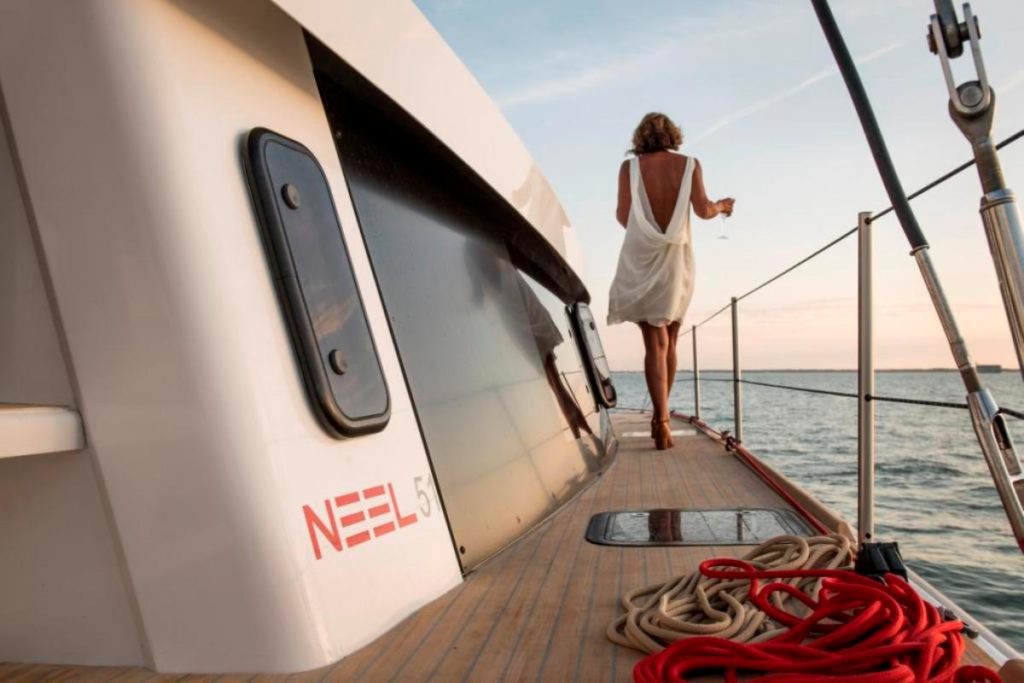
The return on investment (ROI) of a yacht for charter can significantly vary. Just keep in mind that while some yacht owners can generate profitable returns, the vast majority of yachts may experience lower or even negative ROI.
If you don’t have a yacht yet, conduct a serious market research
In most business, market research is one of the key to success. Yacht charter is not an exception.
If you already have your own yacht, your options are naturally limited. However, if you are new to yachting and are simply contemplating the idea of buying a yacht with the plan to rent it out to break even or be profitable, then seriously study your market.
Better yet, get the help of a professionnal broker that might have all the insiders tips you need before making a big mistake and kill your potential ROI forever.
Carefully choose your type of yacht (and size) to ensure profitability
The size and type of yacht directly influence its charter appeal and ROI. Larger, more luxurious yachts typically command higher charter rates, attracting high-end clientele and potentially generating better ROI.
However, larger yachts may also have higher operating and maintenance costs, and they can be harder to fill.
In-demand location is essential
The ROI largely depends upon the level of demand and popularity of yacht charters in specific locations.
Popular destinations with high demand, such as Mediterranean or the Caribbean can provide better opportunities for a higher ROI. But, due to the competition among yacht owners, the pricing and occupancy rates might be impacted.
Occupancy rate over “price pride”
An empty boat costs money.
Rental rates significantly contribute to deciding the ROI of a yacht. Higher rates may result in a favorable ROI only if the yacht is consistent in securing more bookings throughout the charter season.
Manage Operating Costs and Expenses
The costs of fleet management including crew salaries, maintenance and repair, insurance, fuel, provisioning, marketing, and administrative expenses have a direct impact on the ROI.
Effective management of these costs can non only help you to break-even, but also hopefully to generate real profits.
Maintenance is a must, never an option
Nobody want to charter a yacht that looks beaten up and dangerous.
The condition and age of the yacht are the key factors that affect its charter appeal and subsequent rental rates. Well-maintained yachts in excellent condition are highly likely to receive more bookings and generate higher rental rates, thereby maximizing the ROI.
Older yachts may require frequent repairs and renovations, which can influence profitability.
Marketing is vital just like any other business
Implementing effective management and marketing strategies to increase client bookings, occupancy rates, and optimizing charter pricing can significantly influence the ROI.
Working with a professional yacht management company or charter broker can help attract clients and maximize the ROI.
The Costs of Doing Business
When offering a yacht for charter, there are several costs involved that will naturally have to be lower than your total charter income in order to make sure your venture remains profitable.
These costs can vary depending on various factors such as the size and type of the yacht, the charter location, the duration of the charter, and the services provided. Here are some common costs to consider:
- Yacht Acquisition or Ownership Costs: Flag registration. As some yacht flag can be more advantageous than others for tax purposes, but also for the diploma your crew will require to navigate the yacht.
- Crew Costs: The crew is essential for operating the yacht and providing a high-quality charter experience. Crew costs typically include salaries, training, uniforms. The crew size will depend on the size and type of the yacht.
- Fuel and Dockage: Fuel costs can be significant, especially for larger yachts. Dockage fees also need to be considered, as yachts often require berthing in marinas or ports in between charters and winterizing.
- Maintenance and Repairs: Yachts require regular maintenance and occasional repairs to ensure they are in optimal condition for charters. These costs can include engine maintenance, hull cleaning, system servicing, and cosmetic repairs.
- Insurance: Yachts need comprehensive insurance coverage for protection against potential risks such as accidents, damage, theft, and liability. The cost of insurance can vary depending on the yacht’s value, size, and cruising area.
- Marketing and Brokerage Fees: To attract charter clients, marketing efforts are necessary. This may involve creating a website, advertising, attending boat shows, and working with charter brokers. Brokerage fees are also applicable if you choose to work with charter brokers to promote and book charters on your behalf.
- Ancillary Services: Additional services such as water toys, scuba diving equipment, entertainment systems, internet connectivity, and crew uniforms may incur additional costs. These extras can enhance the charter experience and attract more clients.
It’s important to note that the actual costs can vary significantly depending on the specifics of your yacht and the charter operation. Working with a professional yacht management company or charter broker can provide valuable insights and help you estimate these costs more accurately. Contact our team to get more details.
Read also : The yacht charter experience ladder
Read also : FRACTIONAL YACHT OWNERSHIP EVERYTHING YOU NEED TO KNOW
The Best Alternative to Reduce the Cost of Yacht Ownership: Fractional Ownership
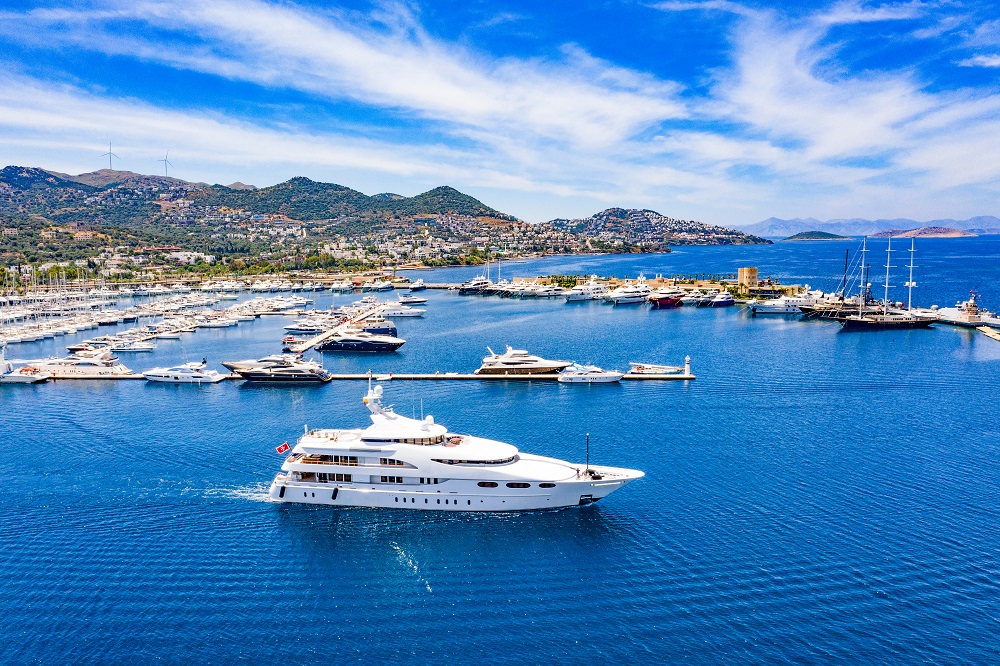
Fractional ownership of a yacht is when an individual invests in only part of the yacht. This means there are comparatively more funds to spare for just a part of the yacht. So, the cost of owning and keeping a yacht in great condition is considerably reduced.
There are yacht chartering companies like the WI Yacht that allow individuals to own part of a yacht for some time during the year. This way, the cost of ownership is significantly less, but you do get the privilege of being a yacht owner.
Real also : Fractionnal yacht ownership : everythings you need to know
Key Takeaways on Owning a Yacht to Charter
Renting out profitably a yacht that you own is largely dependent upon having the right boat in the right location, the right plan, and in most cases the right broker by your side.
Knowing exactly what to expect before taking on this type of venture is essential as there is a certain level of risk involved when entering the yacht charter market, especially considering the costs involved in simply maintaining a yacht afloat.
Can every yacht owner be profitable by chartering their own yacht? No, but it can certainly decrease the overall cost of ownership.
And with the right set of conditions and a professional broker, some owners might even make a successful business out of it almost passively.
Get in touch with us if you own a yacht that you’d like to charter.
Frequently Asked Questions
Yachts from know shipyard are usually the most profitable for chartering. The key is a professional crew and a good central agent for your marketing.
Chartering a superyacht just offsets the costs. Majority of superyachts offered for charter earn money to offset expenses, they do not earn a profit.
If done in strategic areas and times of the year, chartering your own yacht can be extremely lucrative. An individual can make up to one hundred thousand or more in a single month. The key is to buy cheap, second-hand even, and then refurbish your boat.
Usually, banks offer loans for buying a yacht if you have a strong initial payment. There are personal loans available that people can use for such investments, but they come with higher rates of interest.
The standard rate of commission to the yacht charter company per yacht is 15%. This amount can increase or decrease, but just a little.
The income obtained from renting (or chartering) a yacht can sometimes cover all expenses incurred, but not always. So, owning a yacht for free by renting it out is possible, but not guaranteed.
The most popular yacht charter destinations are the United States of America, British Virgin Islands, the Bahamas, French Riviera & Monaco, Amalfi Coast, Croatia, and Greece.