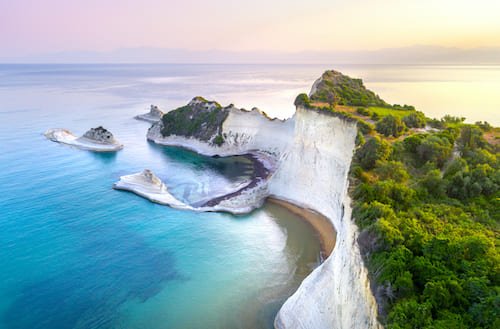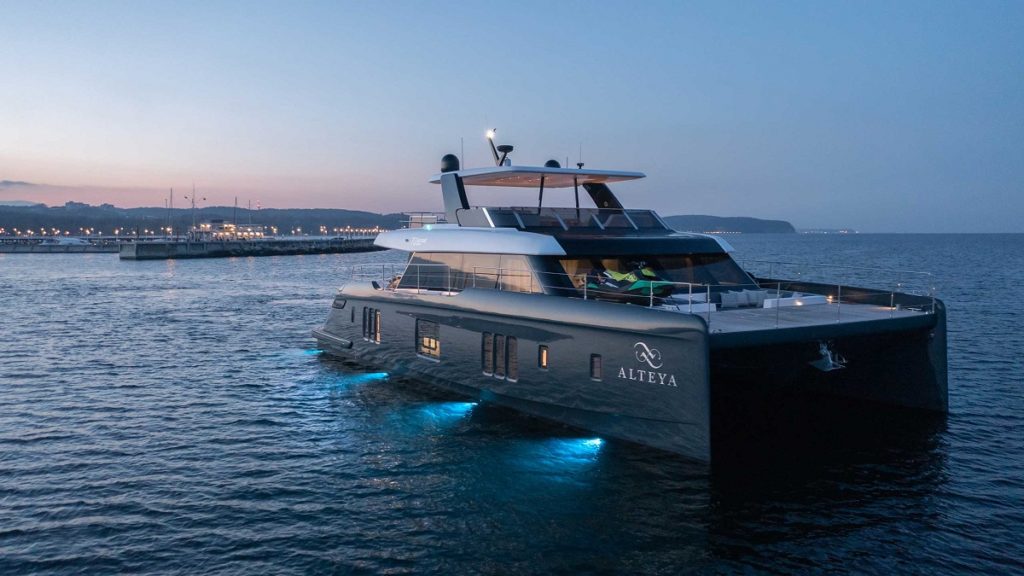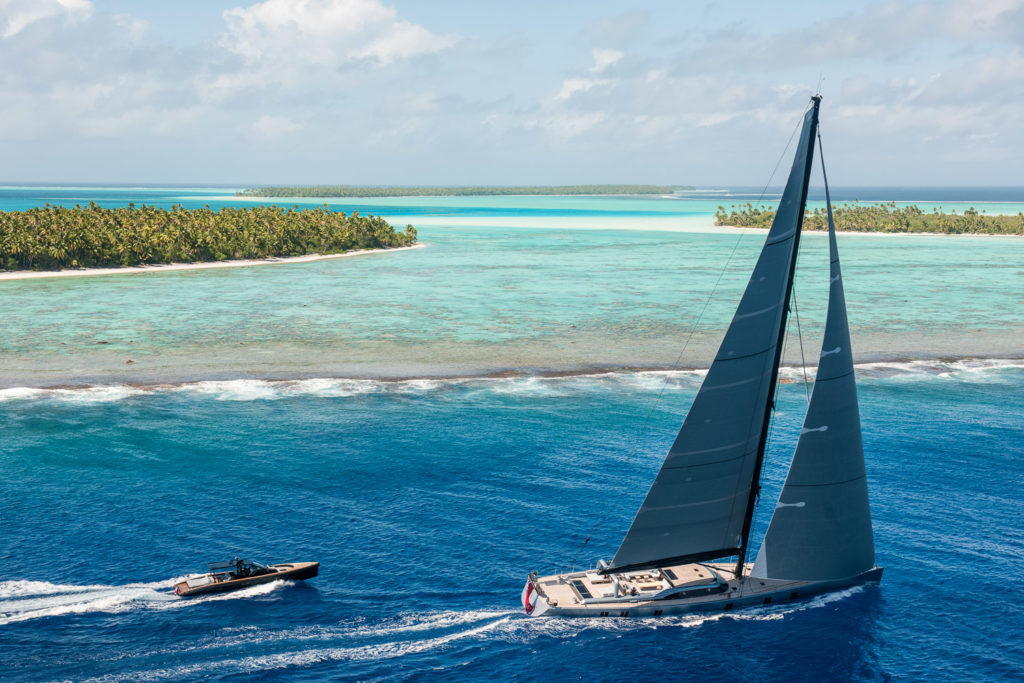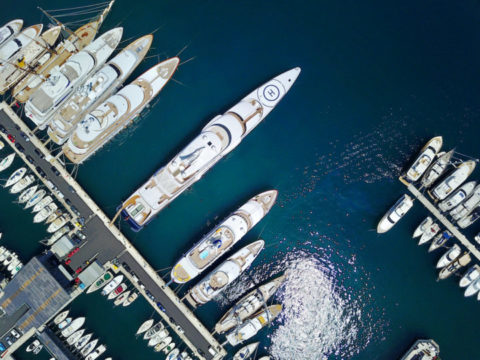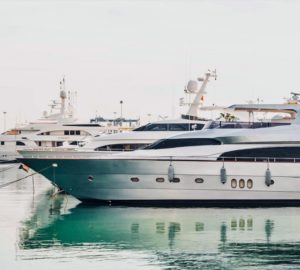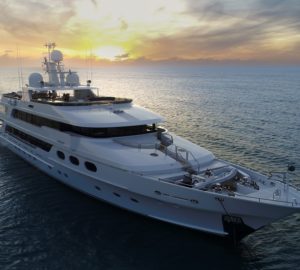
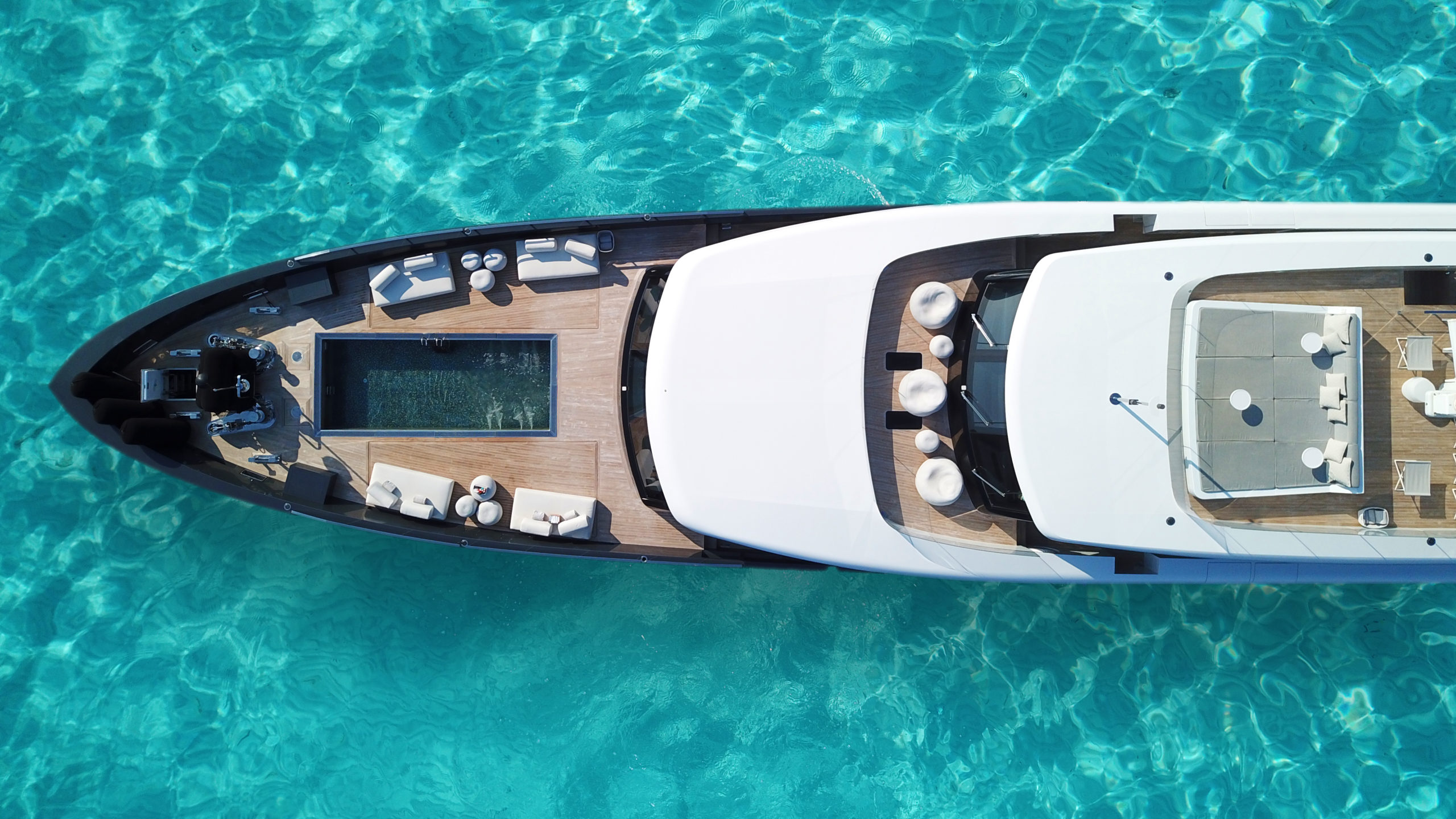

On a luxury charter, you will experience a real sense of comfort and luxury, as if you were in a luxurious villa on the water. In addition to choosing your itinerary, you will be accompanied by a full crew including a captain, hostesses, and a cook. Finally, luxury charters offer a wide range of water sports, making your stopovers all the more enjoyable.
The Base Charter Fee is essentially the cost of hiring the yacht itself, with all equipment in working order, the crew, and the Owner’s insurance.
A deposit to cover potential onboard expenses is known as an Advance Provisioning Allowance (APA). APAs are typically computed at 30% of the charter charge. When you arrive, APA is forwarded to the Captain so that the yacht is fueled, provisioned, and ready to go. All expenses are charged at cost to you with no markup, and upon disembarking, transactions are checked with the captain and any residual funds are returned to you.
VAT (if applicable): This is most usually applied on charters departing from the EU, but other destinations charge VAT/Tax (Turkey, Bahamas etc.). Because these percentages fluctuate on a regular basis, we recommend that you consult with your charter broker to obtain an accurate proportion of VAT for your yacht charter.
Crew gratuity is usual but entirely optional. Tipping is customarily done at the end of the charter and delivered to the captain, who divides the sum between the crew. It typically ranges between 10% and 20% of the regular charter charge.
The cost of chartering a luxury yacht depends on the size, crew, and amenities onboard the yacht. Prices typically start at $15,000 all-inclusive for a one-week charter. On the largest luxury yachts, a one-week charter can cost more than $700,000, this does not include VAT or taxes, charterer’s expenses (APA) such as fuel, food, and beverages, as well as other services such as scuba diving lessons or spa services.
In accordance with European laws, short-term charter agreements necessitate the payment of VAT at the prevailing rate in the European Member State where the customer gains access to the transportation means. Yacht owning companies are obligated to either register for VAT in all EU countries where the charters will commence or appoint a fiscal agent to handle the collection and payment of VAT on charters. Consequently, VAT must be paid in the country where the charter begins and may vary depending on your itinerary.
Before your charter, you will be requested to fill out a preference form to advise your crew, who will then conduct the provisioning.
A few weeks before the charter, you will receive a “preference sheet”, a questionnaire on which not only the names and passport numbers, flight dates, and transfer requests of all guests are entered, but also all preferences, culinary wishes, information about allergies, water sports, etc. The crew can then prepare your luxury yacht vacation in the best possible way.
The types of yachts available for charter are as follows:
– Motor yachts
– Motor Catamarans
– Sailing multihulls
– Sailboats (monohulls)
– Motor yachts
Your yacht must meet your needs in terms of size and capacity. A modern motor yacht will, for example, be suitable for a family charter by offering beautiful spaces. A sailing yacht will be a fantastic choice for a boating enthusiast.
The Advance Provisioning Allowance (APA) is due at the time of final charter payment. This amount is generally equal to 25% of the total amount of the charter, but maybe 30% in cases of motor yachts. These funds, intended to cover operating costs such as fuel, food, beverages, port fees, and one-time incidental expenses, will be remitted to the captain before the start of your cruise. He will ensure that your yacht is fully fueled and provisioned when you board. Although an updated statement of accounts may be requested at any time during your cruise, expenses will normally be presented by your captain at the end of the cruise.
If during the cruise, expenses exceed the amount already paid, additional cash funds will be required immediately. All unpaid invoices must be paid cash before final disembarkation. Of course, any credit remaining at the end of your cruise will be fully refunded. Upon request, transfers to and from the yacht can be made by WI Luxury Yachts or by your captain, the payment of which will be deducted from your APA.
As with most vacations, the general rule is: the less you pack, the better. Softer luggage is ideal for stowing in cabin lockers and is generally more practical on a yacht. To help you pack, imagine what you’ll be doing on your cruise. Sometimes you’ll be swimming or sunbathing, sometimes you’ll be eating at a great seafood restaurant. It’s the type of charter and the location that determines what you should pack.
Some items to consider are, light summer clothing such as shorts, tops, skirts, hats or caps, sandals, sneakers or soft-soled athletic shoes, bathing suits, and warmer nightwear such as sweatshirts, sweaters, windbreakers, jeans, and light pants. You may want to go out to dinner and meet people in the evening, so more casual and even formal clothing, such as long pants, collared shirts and perhaps a jacket, might be a good idea. If you’re chartering an adventure yacht, you’ll be informed of the specific items needed.
This of course depends on the yacht charter in question. Generally, your itinerary will be based on your interests and requests. WI Luxury Yachts, as well as the captain and crew, have a thorough knowledge of the area, both at sea and on land. Your itinerary will be tailored largely to your wishes and is flexible, but is dependent on weather and wind conditions. If you need more information about the place of your choice, contact us and we will let you know what kind of attractions this particular place offers.
To help you plan your dream vacation with family or friends and be sure to book the right boat, Windward Islands puts its specialized knowledge and long and rich experience as a charter broker at your service.
Don’t miss out on your ideal yacht charter due to limited availability. In certain regions such as French Polynesia and Fiji, it’s crucial to plan ahead and book your spot at least 24 to 36 months in advance.
For peak seasons like Christmas, New Year’s Eve, and Easter in the Caribbean, reserving your boat 10 to 12 months ahead is essential to secure the perfect vessel in your desired location. Ensure that your broker can provide the boat at your preferred port of embarkation.
To have the best options and ample time for planning, we recommend making Mediterranean season reservations at least 10 to 6 months in advance. Take control of your vacation and guarantee a fantastic experience for your entire group.
Stay ahead of the crowd and seize the best deals! Popular yachts are in high demand and sell out quickly. Be flexible and don’t miss out on the opportunity to embark on an unforgettable journey.
Bring the whole family along on a charter vacation with no age restrictions. Discover a world of fun and adventure on board a yacht perfect for kids. With a plethora of safe and exciting water activities, there’s something for everyone. Make sure to consult your charter broker for advice on which yacht is best for your little ones and your vacation plans. Just keep in mind that it’s your responsibility to keep an eye on the kids, unless you decide to hire a nanny.
Some do! It depends on the yacht. If this is an important point for you, your advisor can help you identify yachts that will accept all members of your family.
The most popular boating destinations vary according to the season.
In the summertime, the Mediterranean is the most popular Northern Hemisphere destination, including the French Riviera, Corsica, the Balearic Islands, Sardinia, the Greek islands, and Croatia.
During the winter, the Bahamas and the Caribbean are the first charter spots.
Very few yachts allow smoking indoors, but some may allow smoking in designated outdoor areas. If this is important to you, please mention it to your advisor beforehand.
Almost all yachts offer WiFi, but this is a point to be discussed with your advisor and confirmed with the captain of the boat. As far as the cell phone service is concerned, your service provider will have to confirm if it covers the destination of the cruise.
The advantage of chartering a yacht is that it is often possible to change your itinerary and head towards the sun. A rainy day at the port also offers the opportunity to explore the stores, bars, and restaurants.
While it is at your discretion, it is customary to tip the Captain and crew at the conclusion of a charter for excellent care and service. As a guide, a gratuity of 10-15% of the base charter fee is considered fair.
On most yachts, it is customary for the crew to take care of small amounts of guests’ personal laundry as a courtesy. However, the crew may politely decline to wash large quantities of laundry or items that are particularly delicate. If time permits, some garments may be sent to a professional laundry service ashore, and the cost will be deducted from the APA.
Shoes worn ashore should not be worn on board.
Deck shoes are allowed on board, although many guests prefer to go barefoot for comfort.
Pets are not permitted on board unless this has been previously agreed and authorised by the Owner.
We recommend packing personal belongings in soft luggage, as these are easier to store on board.
If a yacht does not list scuba diving as an onboard activity, it is often possible to arrange a local diving company to provide the necessary equipment and organise a dedicated diving trip, subject to local regulations.
In most cruising destinations, personal watercraft (such as waverunners or jet skis) may only be used if the operator holds the appropriate licence and complies with local regulations. We can advise where these licences can be obtained. In some cases, licensing may soon be available directly on certain yachts through a qualified instructor during the cruise. Note that some countries prohibit the use of personal watercraft in their waters, which should be considered when planning your itinerary.
Cruising distances depend on your itinerary and preferences. However, to maximise enjoyment, we generally recommend cruising no more than six hours per day. In practice, it is rare for yachts to reach this average, as most itineraries focus on enjoying the yacht itself and its water sports equipment rather than undertaking long passages.
Delivery or return fees may apply if the selected cruising itinerary requires the yacht to start or end the charter at a location different from its home port or from a port already included in its normal route. In most cases, these charges are based only on the fuel needed for the repositioning of the yacht, calculated according to the vessel’s stated fuel consumption. However, during peak season, an additional fee related to the time required for the transfer may also be added. These costs are usually paid in advance together with the Advance Provisioning Allowance (APA).
In most cases, a deposit equal to 50% of the total charter price is required when the Charter Agreement is signed. The remaining balance of the charter fee, along with the Advance Provisioning Allowance (APA), any applicable taxes, delivery or redelivery costs, and the security deposit, must generally be paid about one month before the charter begins.
Yes, of course. Since the APA is funded by you, you are entitled to track how it is used. The Captain keeps detailed records of all expenses and retains the corresponding receipts. At the end of the charter, you will receive a full account statement along with a refund of any unused balance.
If you would like updates on the spending during the charter, simply inform us in advance and we can arrange for the Captain to provide regular expense summaries. If the APA begins to run low during the trip—for example after hosting a special event on board with additional guests—the Captain will notify you so that extra funds can be provided if necessary.
In most cases, the yacht will be prepared with an initial arrangement of fresh flowers in the main living and social areas before your arrival, provided by the Owner. If you would like additional floral arrangements during the charter or specific displays, you can request them on your preference or information sheet. Any extra flowers ordered during the trip will be charged to you and deducted from the Advance Provisioning Allowance (APA).