
A yacht only functions as a true luxury asset when it is backed by a high-performance crew.
Whether it’s smooth technical operations, world-class dining, or intuitive service, the “human element” is what defines your experience on board.
For an owner, assembling this team is less about filling jobs and more about staffing a specialized boutique company that protects your investment and matches your lifestyle.
Since 1999, we’ve navigated the complexities of yacht transactions, refits, management, and charters. We know that the right crew is the difference between a high-maintenance headache and a seamless ownership experience.
This guide breaks down the essential roles, staffing requirements by vessel size, and the professional strategies we use to build world-class teams.
TL;DR Yacht Crewing Guide
- The Golden Rule: A yacht is only as good as its crew.
- The Unspoken Rule: The longer the yacht, the more staff you need.
- The “Big Two” Hires: Your Captain and Head Chef are the most critical hires; they set the entire tone for your onboard experience.
- The Hierarchy: Modern yachts operate through four distinct departments: Deck, Interior, Engineering, and Galley.
- Budgeting: Expect crew costs to account for 25% to 50% of your annual operating budget.
Typical staff required per yacht length
| Yacht Length (ft/m) | Typical Crew Size | Essential Positions | Key Departmental Changes |
| < 75 ft (< 25m) | 1 – 2 | Captain, Cook/Steward | Often a “working couple” team; owner may help with some roles. |
| 75 – 100 ft (25–30m) | 3 – 8 | Captain, Chef, Deckhands, Stewards | Dedicated Galley and Interior staff are introduced. |
| 100 – 200 ft (30–60m) | 9 – 20 | Captain, Chief Engineer, Purser, Sous Chef, Housekeepers, Bosun | Interior splits into Housekeeping vs. Service; full-time Engineering. |
| 200 ft+ (60m+) | 20 – 50+ | Bridge Officers, ETO (Electrotechnical Officer), Sommelier, Specialist Engineers | Highly specialized roles; dedicated Crew Galley and Lounge required. |
The Anatomy of a Yacht Crew: Department Breakdown
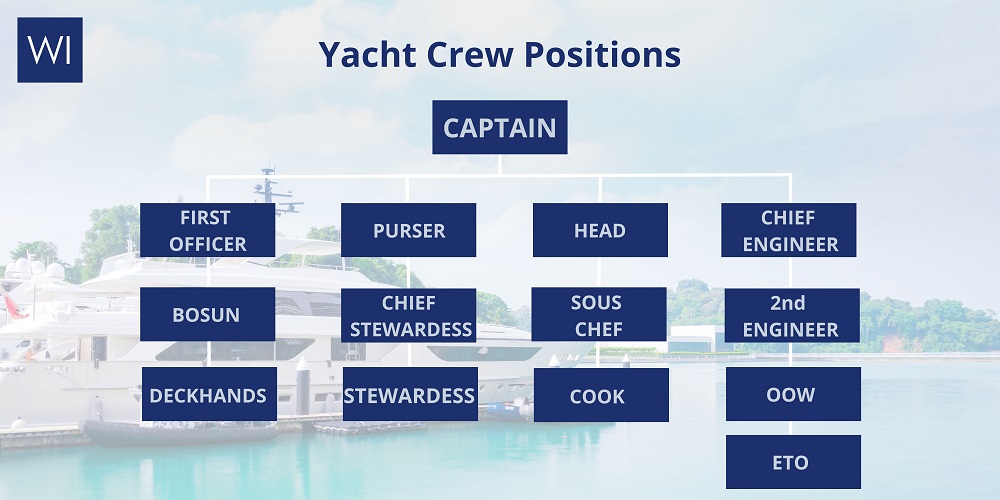
Large yachts have four departments with clearly defined areas of primary responsibility. The captain is the ultimate management authority on all matters, and all department heads report to them. There will always be overlap in crew jobs, and sometimes, different departments will help each other out and step in when needed. It’s that spirit of teamwork and cooperation that separates merely acceptable crew from the truly outstanding.
Read also: Yacht crew positions : Hierarchy, Missions & Salaries explained
Command & Management: The Captain (Vital)
You can not run a yacht without a captain. The captain will be your primary point of contact as the yacht owner, and they will be responsible for all management decisions. The captain oversees systems upgrades, yacht operations, and crew and department management.
Finding a captain who understands you, that you work well with, is the key to getting what you want from yacht ownership. A good captain may stay with you for years, and if you find one, it’s wise to do everything you can to keep them happy.
The Galley: The Head Chef and culinary team
Fine dining and excellent food and drink are the hallmark of a good yacht experience, and your head chef sets the tone for the table set for you and your guests. As a department head, the chef handles all the menu and provisioning choices. They also supervise the sous chefs, line cooks, and other assistants needed in the galley of a larger vessel. All your chefs and cooks should have formal gastronomical training.
Galley crew is a little harder to keep around for years. It’s not the stereotype that top chefs are mercurial in personality – they’re hard working professionals. But many want to move on to their own restaurants or prestigious positions in Michelin rated restaurants on land. If you find a treasure, you’ve got to work to keep them!
The Deck Department: Bosun and Deckhands
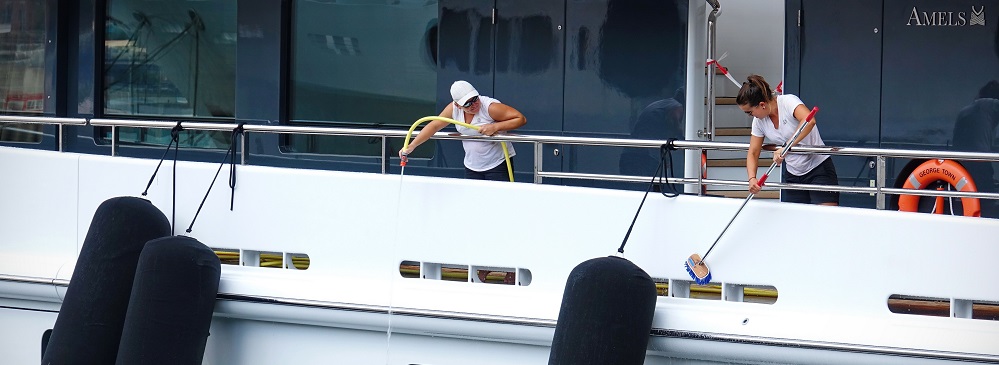
The bosun manages the deck crew, who handle all the yachts outside operations. This includes sailing the yacht, keeping her shiny and polishing the exterior, handling all the launches and water toys, and docking and undocking the boat. They’re often the first contact your guests have as they’re brought out to your yacht, and your deck crew will be involved in any outdoor activity.
Junior deck crew is a great place to start for those new to yacht work, but you need experienced crew to teach them and keep the boat running smoothly.
The Interior: Stewards and Pursers
The interior crew includes the stewards, purser, and in larger yachts, housekeeping and laundry. Stewards serve meals and drinks, prepare cabins, clean and polish the interior, and see to the needs of the passengers and guests. Good interior crew is friendly, attentive, and anticipates the needs of the people on board.
Engineering: The “Silent Heroes”
Engineers are the most highly trained technical staff, and engineers keep the engines and all boat systems in working order. A large yacht has many complex systems like water making, plumbing, power generation, and stabilizers. These require constant ongoing care and maintenance from the engineers. They’re who you call when something doesn’t work, and without them, the yacht won’t go far.
If your engineers get attached to your yacht, you’re in luck. Of all the departments, engineers are usually the most stable employees who are likely to stick with your yacht for many years.
Why Yacht Length Dictates Your Crew Size
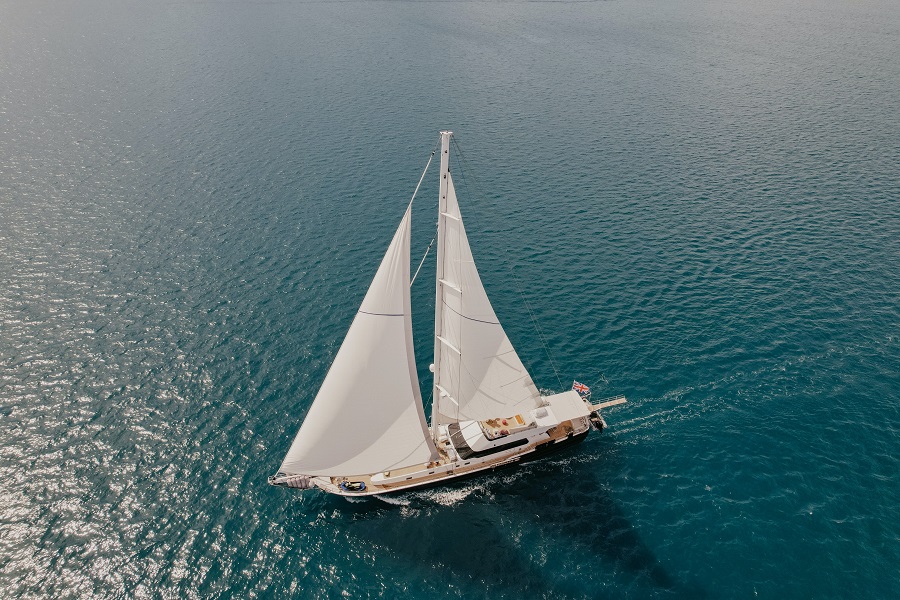
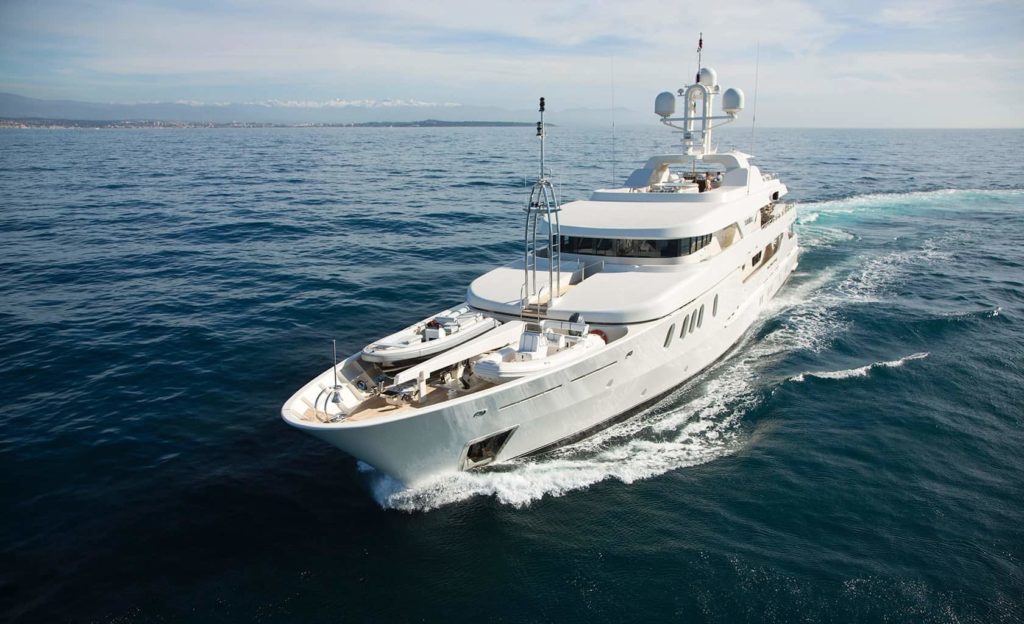
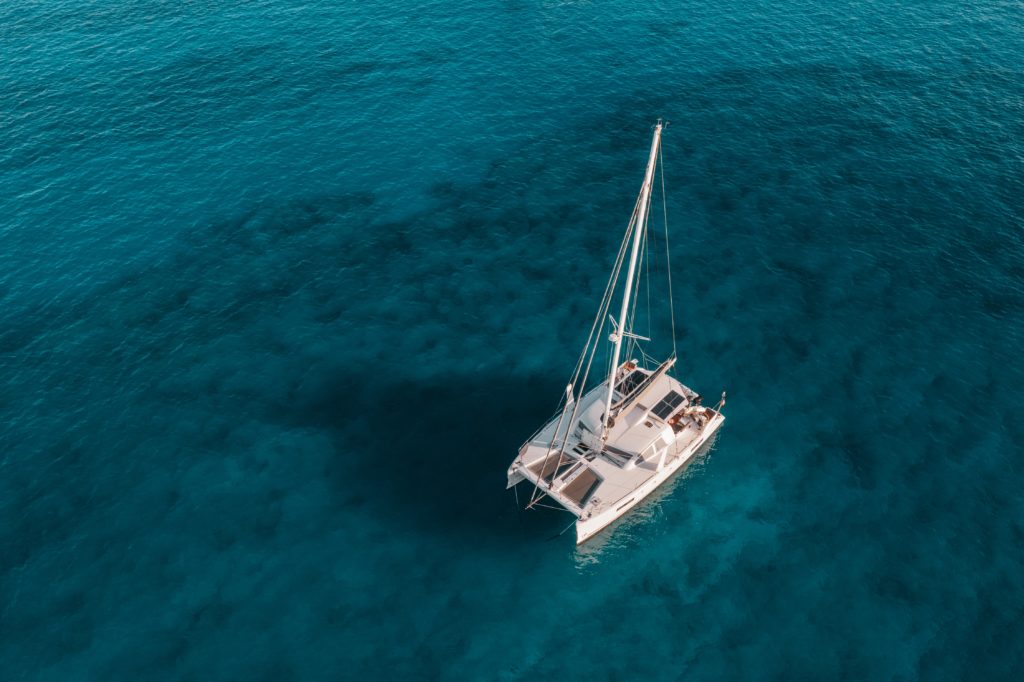
The smallest crewed yachts may only have a captain, or a captain and a steward. But as yachts get larger and more complex, it takes more people to keep them running efficiently.
Bigger Yachts Mean More Jobs
Polishing the inside and outside of a hundred-foot yacht is a lot more work than polishing a seventy-five footer. It’s not just the length. As boats get longer, they also increase in beam and volume.
Every job gets bigger, not just the cleaning and shining. Engines are larger, systems are more complex, and there’s often more of them. There will be more launches and water toys, more dishes to clean and beds to change.
Large Yachts (Usually) Have More Guests to Take Care Of
It takes more stewards and deck crew to support more guests on board. To maintain a top level of service, you’re going to need more stewards, chefs, deckhands, and housekeepers to keep those standards.
Longer Vessels Can Host More Crew
Because of the larger crew needs, you will need more dedicated crew space on larger yachts. While small yachts may get by with just a cabin or two with bunks, when the crew gets over a certain size living space needs more.
Larger yachts may have a crew galley, more sleeping accommodations, and a lounge area for crew to spend off duty time.
Staffing Requirements by Vessel Size
| Yacht Length (ft/m) | Typical Crew Size | Essential Positions | Key Departmental Changes |
| < 75 ft (< 25m) | 1 – 2 | Captain, Cook/Steward | Often a “working couple” team; owner may help with some roles. |
| 75 – 100 ft (25–30m) | 3 – 8 | Captain, Chef, Deckhands, Stewards | Dedicated Galley and Interior staff are introduced. |
| 100 – 200 ft (30–60m) | 9 – 20 | Captain, Chief Engineer, Purser, Sous Chef, Housekeepers, Bosun | Interior splits into Housekeeping vs. Service; full-time Engineering. |
| 200 ft+ (60m+) | 20 – 50+ | Bridge Officers, ETO (Electrotechnical Officer), Sommelier, Specialist Engineers | Highly specialized roles; dedicated Crew Galley and Lounge required. |
An exact number per foot is, of course, impossible. Crew size varies by the number of passengers, the complexity of the yacht, and the owner’s demands. But we can give you some rough rules of thumb.
Under 75ft (25m): 1–2 members (Captain + optional Steward)
You may also want a cook/steward to go with a yacht that size if you won’t be filling those roles for yourself and your guests. There are many working couples on smaller yachts who team up in these jobs.
75ft – 100ft: Up to 8 members
Much depends on the systems on the boat and the number of passengers. More passenger berths means more stewards and deck hands.
Yachts 100 feet to 200 feet may need up to twenty
Over one hundred feet, you often add a full timer purser, and the interior crew splits into housekeeping and steward divisions. And you need department heads and more engineers and bridge crew.
100ft – 200ft: Up to 20 members
All department sizes grow, and specialized jobs are broken out. The largest yachts have the most specialized staff. You may have everything from sommeliers, specialist engineers, and more hands, stewards, and bridge officers.
Over 200ft: 20–50+ members
At the superyacht level and beyond, all departments grow, and profiles tend to be even more specialized. You may encounter sommeliers, water sport instructors and all sort of engineers on board.
Read also: The yacht charter experience ladder
How to Build Your Team As a Yacht Owner
Finding all the crew for a large yacht is an enormous job, and takes a lot of time and resources to locate, interview, screen and hire everyone you need. The good news is that you, as the yacht owner, don’t have to do all that.
In fact, it’s better in some ways if you don’t get involved in all the hiring decisions. As the owner, of course you have the final say in any crew hiring decision, but your captain and department heads are the ones who will manage the crew daily. And they’re the best qualified to know who to bring on board.
So don’t expect to spend your time reviewing stacks of resumes or answering ads – that’s for your captain and department heads to figure out. But you should meet crew, and you certainly should advise if there are any crew members you have strong opinions about to the positive or negative. They work for you, take care of you, and must meet your wants and needs, after all.
The Sequence of Hiring: Why you must hire the Captain first.
The first order of business is to find your captain. If you’re starting from scratch with an empty yacht, hiring anyone else first can be a big mistake. A good captain will know how to hire department heads, and will be involved with all hiring decisions and interviews for you.
The head chef is the other difficult but critical spot to fill. The chef sets the tone for all the entertaining on the yacht. Everything from the types and styles of cuisines to the wine lists and menus they can come up with in remote locations with local fresh goods is on them.
It’s important that you are very compatible with your head chef, because the galley staff will provide all the food for you and your guests on board. The galley can make or break your yachting experience, so you want someone who prepares varied cuisine that excites you.
Sourcing Channels Where to Find Your Team
Referrals (The most trusted method)
Referrals are one of the most powerful recruitment tools. If you have crew members you know, like, and trust, it’s guaranteed that they know other crew on other yachts they’ve worked on. Candidates known personally by your captain and crew are a much more likely fit, and easier to screen. Especially if they’re worked together before and are not just friends.
If you’re looking to fill one or two spots, have your captain ask around or even offer an incentive to refer new recruits.
Professional Recruitment Agencies
A professional recruitment agency is by far the easiest and safest way to hire a crew. They carefully screen applicants and only present quality candidates for your captain to meet. It saves a lot of time, and in the end can save you money despite the placement fees, because replacing a crew member is always expensive. And a bad hire costs as much to find and train as a good one.
If you go with an agency, pick a reputable one, and work only with one. You don’t want lots of unqualified agencies flooding the market with your jobs. The duplicate postings can turn your job search into a free-for-all with agencies vying for a placement. You may get swamped with unqualified candidates from unprincipled agents just looking to get lucky.
So pick a reputable agency, and work out an exclusive arrangement to keep the process in check.
Let Your Yacht Broker Handle it
Another alternative is to let the brokerage who sold you the yacht do the first round of hires for you. They want you to be happy, and they have many contacts in the industry.
If your yacht is under charter management, you can also get the management company to staff the yacht for you.
No matter what, you should be very involved in selecting the captain and chef. But the management company can hire the rest with less direct involvement as they work with the captain you choose.
Vetting Candidates

There are many people drawn to the crew life, and you and your captain will get a lot of resumes and applications for most jobs you’re filling. Picking a good fit for skills, experience and a personality that works with your existing crew is the challenge.
Experience

Experienced crew is always preferred, but everyone has to start somewhere. When you evaluate a candidate, look for relevant experience in a situation similar to yours.
Crew with no yacht experience should have related service industry or engineering experience. Stewards who have worked in high end hotels understand the service level you expect, as do cooks and chefs with fine dining experience.
Some deck hands and interior crew will come to you with no experience at all. But with the right attitude and good aptitude, they can fill an entry level position and grow into bigger things.
Certifications, Training and Ratings
Your crew needs to have the STCW (Standards of Training, Certification and Watch-keeping for Seafarers) certificate and an ENG1 (Seafarer Medical Certificate). The former is a skills course and test on the basics of safe yacht operations, the latter is a medical certification of good health, to lower risk of medical emergencies in remote places. Any serious candidate – even an inexperienced junior crew member, should have made these investments in themselves before applying to your yacht.
Beyond the minimums, look for skill-specific and industry training.
For engineering, it’s pretty easy, as engineering ratings are tightly regulated and spell out exactly what an engineer is trained and qualified to handle. They may have done more in their career, but the ratings spell out their training level.
Head and assistant chefs should have formal training from accredited gastronomy and culinary programs. Lower-level cooks may work from experience only, but your top chef needs real training.
Interior staff and deck crew certification and training are a bit more open-ended and less formal. Applicants who have taken relevant course work in hospitality and marine topics should let you know on their resumes.
References
Always check references. The references are one of the best ways to ensure that an applicant is who they claim, and actually did the work on their resume. Check every reference, to verify not only employment but responsibilities. You don’t want to hire a bosun only to discover that he was really a deckhand at his last job and just talked a good game.
The best references are through people you know an applicant worked with, whether or not they supplied the reference. So if you or your captain know someone on a yacht they’ve claimed to work on, reach out and ask about them.
Personality
Figuring out if a crew member fits in your existing team is one of the most vexing problems in any industry. Managers have tried everything from formal personality tests to bizarre interview scenarios. It’s not a simple thing to quantify, and every personality you add to your staff changes the total crew just a little. You want those changes for the better.
It’s hard to nail down, and you’re going to rely on your captain and department heads to figure out how an applicant may fit in.
Expert Tips for Long-Term Success

We’ve been around yachts and yacht crews since 1999, and there are a few more things we think you should know.
Ensure your captain and head chef get along
The galley crew feeds everyone on board and sets a lot of tone for the experience on the yacht. It’s important that the head chef works very well with the captain. This works both ways, because sometimes the needs of the yacht outweigh the requirements of the chef. But in the other direction, if the chef doesn’t have access to what they need to set a world-class table, no one will be happy.
Try to find a crew that matches your personality and needs
Some yacht owners are very formal and just want the crew to fade in the background when their service is done. And other owners are casual, and will enjoy a more personal relationship with the crew, knowing their names and a bit about them and include them in some fun.
You need to hire a crew that fits your personality wherever you fall on that scale. If you’re relaxed and you have a chief steward who won’t ease up, or if you want formality and they’re flopping down in a chair next to you to chat about what you want…either is a problem.
How you want your yacht to run and the relationship you want with your crew is the first rule of happiness for everyone. The last thing you want is your yacht to start looking like a Below Deck Episode…
Avoid staffing your yacht yourself your first time
It’s your first go, and it’s a lot of work with a lot of complicated dynamics. It’s best to defer to the experts until you’re really comfortable with what you want from the crew.
Use an agency to get an excellent captain, then work with the captain and the agency both to bring in department heads. They can hire the rest, but don’t do it all yourself. You want to be enjoying your yacht, not interviewing rookie deckhands.
Good crew agreements are a key to success
More accurately, good communication of expectations to crew is the key to success. And a crew agreement spells out clearly what you expect of your crew, and what your crew can expect of you as the yacht owner. Vague words can lead to misunderstandings, and misunderstandings lead to conflicts.
Expert Management for a Seamless Ownership Experience
Building and maintaining a world-class crew is a full-time operation that requires constant attention.
Since 1999, we have helped owners navigate the complexities of yacht management, refits, and charters, ensuring that the “human element” of their investment is always performing at its peak.
If you want to stop managing resumes and start enjoying your time at sea, let us handle the heavy lifting.
Get in touch with our team to learn how our management services can turn your vessel into a perfectly staffed, turnkey asset.
Yacht’ Staff : Frequently Asked Questions
The captain and head chef take the most time and care to find. These two positions are crucial to the success of your crew, and they’re also the most sought after and in demand. The wrong captain will never get you the right crew.
Expect 25-50% of your annual operating budget to be allocated to your crew.
A small yacht can be operated with a single captain. Most small and medium length yachts would be fine with one captain, one steward and/or a cook.
It really depends on the length and type of yachts. Over 200ft / 20m, the lowest number of staff is usually 20 with very few exceptions. And the most staffed vessels reach 50 staff.
It’s pretty hard. If you are a first time owner, you should delegate to specialists who have experience to avoid assembling a team that wouldn’t work together, have the wrong certifications or have personalities that can’t fit.
It depends on the size of the vessel. Over a certain length, most yachts are motoryachts that tend to have complex engines to take care of.