
As a yacht owner, one of the most underestimated challenges in yacht management is crew turnover.
Whether your vessel is for private use or charter, having a consistent and reliable team on board is the key to smooth operations, excellent guest experiences, and maintaining your yacht’s overall condition.
After more than 25 years of chartering and managing yachts, we’ve seen crews come and go — some staying for years, others disappearing after a single season.
So, how bad is crew turnover really in the yachting industry? Our answer is nuanced: “it depends”.
In this article, we’ll detail why the turnover rate is so high in our industry, and what you can do as an owner to reduce it.
Who Exactly Do We Mean by “Crew”?


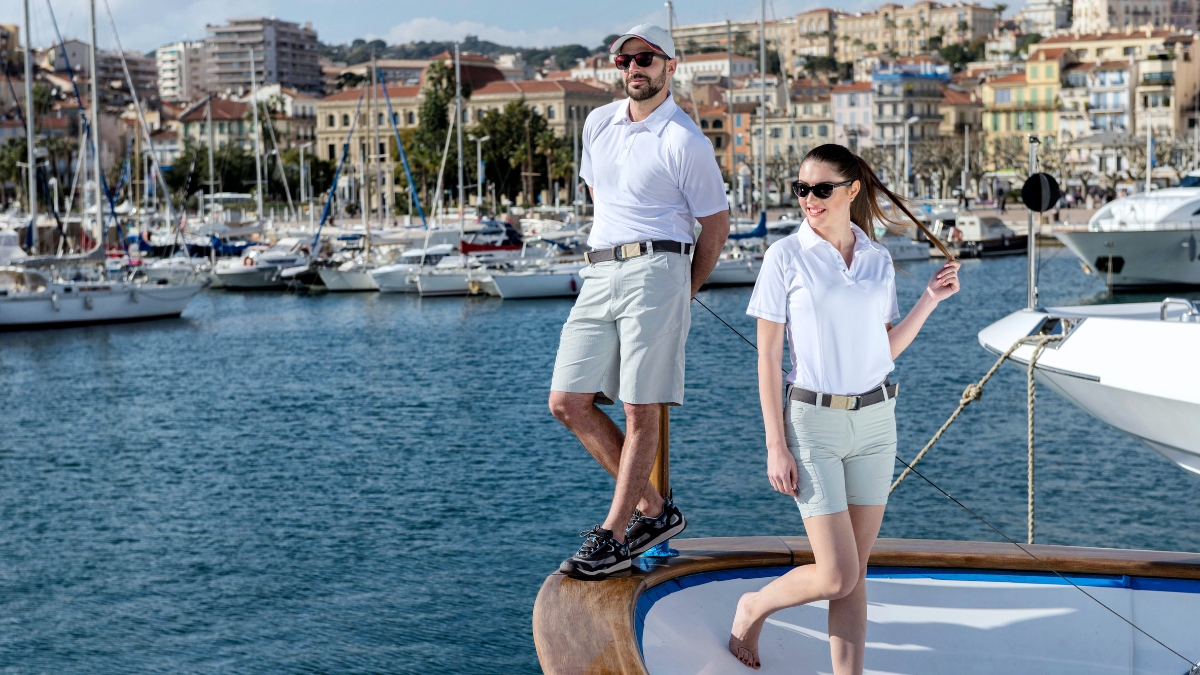
When we talk about “the crew,” we mean everyone working aboard your yacht — from the captain and chief engineer to the deckhands, stewardesses, and chefs. Each role comes with unique responsibilities, skill levels, and career motivations.
The 1st reality check is that not all positions are affected equally by turnover.
Senior officers and captains often enjoy long-term stability, while junior roles see much higher rotation. Understanding these differences is essential to managing expectations as an owner.
If you are still wondering which type of crew you need for your yacht, read our guide that explains everything you must know as a yacht owner.
Is Crew Turnover Really That High in Yachting?

Yes and no.
The yachting industry has a reputation for high crew turnover, but the numbers vary dramatically depending on rank, experience, and age.
Younger crew members, especially junior deckhands and stewardesses, often have turnover rates exceeding 50% per year. Many join yachting for adventure, travel, or to save money for a short-term goal — not as a lifelong career.
Mid-level crew, such as second engineers, chief stews, and first officers, tend to remain longer, typically between two to five years on the same vessel, provided the working environment is stable.
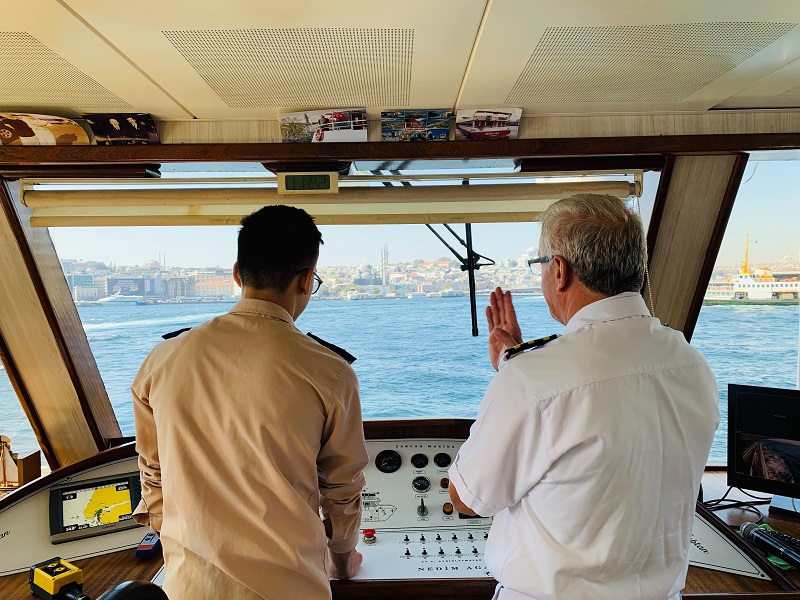
Captains generally have the lowest turnover rates. They develop close relationships with owners and play a key role in the vessel’s safety, reputation, and management.
So while the turnover rate among younger crew members may seem alarming, experienced professionals usually provide much-needed continuity onboard.
Read also: Yacht crew positions : Hierarchy, Missions & Salaries explained
Why Do Yacht Crews Leave So Often?

There’s no single reason for high turnover — it’s a mix of personal, professional, and environmental factors. Below are the most common causes we’ve observed over decades in the industry.
Poor Leadership
The tone on any yacht starts at the top. A strong, fair, and trustworthy captain can make or break crew morale.
When leadership is weak, communication breaks down, tensions rise, and crew members lose motivation to stay. Good leaders build teams that feel valued and supported — poor leaders do the opposite.
Better Salary Opportunities
Yachting is a competitive field.
Crew often change vessels for higher pay or better benefits, just as professionals do in any other industry.
Owners who offer fair wages, end-of-season bonuses, and career growth opportunities tend to retain their talent longer.
Work-Life Balance and Rotation Schedules
Modern crew members — especially younger generations — increasingly prioritize rest, time off, and predictability.
Yachts offering rotation schedules (for example, 2 months on / 2 months off) are far more attractive than those requiring non-stop service for months at a time.
Interpersonal Conflicts, Bullying, and Harassment
Living in close quarters means personality clashes can quickly escalate. Without a healthy onboard culture, even a small disagreement can make life unbearable.
Harassment or bullying remains one of the top reasons crew decide to leave mid-season, even if life onboard is rarely as dramatic as a Below Deck episode.
Still it’s critical for owners and captains to promote respect and professionalism on board.
Burnout and Overwork
Yachting is glamorous from the outside — but behind the scenes, the hours are long and the work demanding.
Some yachts are understaffed or poorly managed, leading to exhaustion and burnout. A tired crew is an unhappy crew, and unhappy crews rarely stay.
Career Development
For many, yachting is a stepping stone. Junior deckhands and stewardesses often leave to gain additional certifications, attend training, or move to larger vessels that offer more prestigious roles.
Supporting career growth can actually improve retention by showing that you care about their future.
What Yacht Owners Can Do to Keep Their Crew Longer
While you can’t eliminate turnover completely, there’s a lot you can do to reduce it dramatically and build a loyal, motivated team. And over the years, we’ve seen many owners implementing these measures successfully.
Accept That Some Turnover Is Normal
Younger crew will always move on for new opportunities — that’s part of the industry. Don’t take it personally.
Focus instead on retaining your core senior crew, who bring consistency and professionalism.
Be Competitive with Pay and Benefits
Salaries are a major factor. If another yacht offers slightly better pay, most crew won’t hesitate to switch.
Make sure your compensation packages are fair and competitive, including bonuses, tips, and additional perks like health insurance or travel allowances.
Offer Predictable Rotations and Time Off
Fatigue is one of the biggest reasons for high turnover on yachts and superyachts.
By offering reasonable schedules and rotations, you give your crew a better work-life balance, leading to higher morale and lower burnout.
Build the Right Team Dynamics
A yacht, even superyachts and megayachts are small, confined spaces — personality fit is therefore just as important as experience.
Take your time to hire compatible crew members and ensure good chemistry between departments. A harmonious crew is far less likely to quit mid-season.
Provide Consistency and Fair Management
Crew value predictability and transparency. Be consistent in your decisions, communicate clearly, and treat everyone with respect. A sense of stability goes a long way toward building loyalty.
Avoid Overworking and Understaffing
Running a yacht with too few crew might save money short-term, but it quickly leads to exhaustion and errors. And long term, your yacht might not be as profitable as you would have hoped.
Ensure workloads are manageable and that your crew has enough support to perform at their best.
Invest in Onboarding and Training
For many new crew, their first season can be overwhelming. Proper onboarding, mentoring, and training help them adapt faster and avoid early burnout.
Encourage Retention Through Perks and Recognition
Simple gestures matter: seasonal bonuses, paid flights home, health insurance, retirement contributions, or loyalty incentives all make a difference. When people feel valued, they stay longer.
Zero Tolerance for Harassment
Toxic behavior destroys morale faster than anything else. Always act quickly on reports of bullying or harassment. A respectful environment is the foundation of a happy, stable crew.
Conclusion
Yes, crew turnover in the yachting industry can be high, particularly among younger or junior staff.
However, with the right management approach, many of these challenges can be mitigated.
By prioritizing leadership, fair compensation, healthy schedules, and a respectful onboard culture, yacht owners can dramatically improve retention and ensure smoother, more enjoyable operations year after year.A loyal crew doesn’t just make your yacht run better — it enhances your entire ownership experience, ensuring every voyage feels like a pleasure, not a chore.
Get in touch with our team if you need help to manage your yacht or need assistance in your buying or selling activities.
Read also: Should You Have a Gym on a Yacht? Our Recommendations